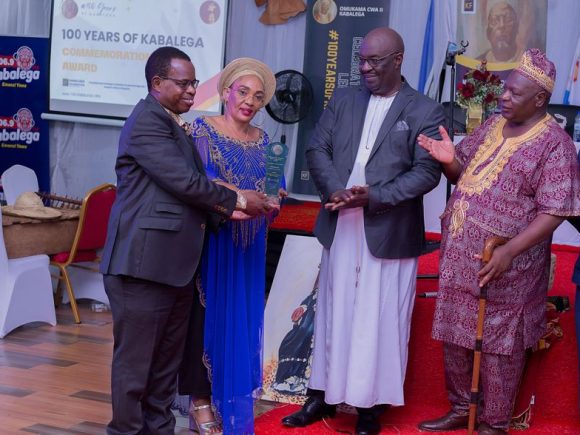

About Bunyoro-Kitara Kingdom

Explore the history, cultural heritage, and enduring legacy of Bunyoro-Kitara Kingdom and its role in leadership, identity, and community development.
Bunyoro-Kitara Kingdom
About Bunyoro-Kitara Kingdom

Preserving Heritage & Identity, Advancing Cultural Continuity, and Social Transformation.

Bunyoro-Kitara Kingdom stands as one of Africa’s oldest and most historically influential traditional kingdoms, carrying a legacy that spans centuries of leadership, civilization, cultural identity, and resilience. Situated in western Uganda, the Kingdom represents a living connection between Africa’s rich pre-colonial history and contemporary efforts toward cultural preservation, community development, and identity formation.

Rooted in the historical legacy of the ancient Kitara civilization, Bunyoro-Kitara Kingdom has long played a significant role in shaping political organization, trade, governance, spirituality, and social life across the Great Lakes region. Over generations, the Kingdom emerged not only as a center of power and influence, but also as a custodian of traditions, values, and systems of knowledge that continue to shape communities today.

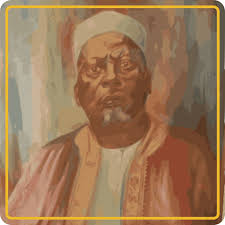
The Kingdom’s history is closely associated with remarkable leaders, most notably Omukama Cwa II Kabalega, whose resistance to colonial domination and commitment to sovereignty established him as one of Africa’s most respected historical figures. His leadership continues to inspire conversations around governance, dignity, resilience, and African self-determination.

Beyond its historical significance, Bunyoro-Kitara Kingdom remains an active cultural institution dedicated to preserving heritage, promoting unity, strengthening cultural identity, and supporting community transformation. Through traditional leadership structures, cultural ceremonies, heritage preservation initiatives, and engagement with modern development efforts, the Kingdom continues to serve as a bridge between past generations and future aspirations.

Today, the Kingdom represents more than historical memory. It symbolizes continuity, cultural pride, and the enduring importance of heritage in shaping modern society. In a rapidly changing world influenced by globalization, technological transformation, and shifting social realities, Bunyoro-Kitara Kingdom continues to remind communities of the value of identity, historical consciousness, and collective responsibility.

Its story is not only the story of a kingdom. It is also part of the broader story of African civilization, resilience, and the ongoing effort to preserve cultural heritage while building a future grounded in dignity, unity, and sustainable progress.

The origins of Bunyoro-Kitara Kingdom are deeply intertwined with the history of the ancient Kitara civilization, one of the most influential pre-colonial political and cultural entities in the Great Lakes region of Africa. Oral traditions, historical narratives, and cultural memory trace the Kingdom’s foundations back many centuries, positioning Bunyoro-Kitara as a central force in the development of governance, trade, social organization, and cultural identity across the region.

According to Bunyoro traditional history and oral traditions, the earliest rulers were the Batembuzi dynasty who laid the foundational structures of governance, spirituality, and society in the Kitara Empire. The Batembuzi were later succeeded by the Bachwezi dynasty, believed to have been semi-divine kings and renowned for their advanced leadership, cattle culture, architecture, and extensive influence across the region. The Bachwezi are celebrated in East African history and folklore for establishing a highly organized and prosperous empire whose cultural and political legacy remains deeply embedded in the identity of the Banyoro people.

Following the mysterious decline of the Bachwezi, the Babiito dynasty emerged and established enduring leadership over the Kingdom. The Babiito rulers consolidated and expanded the Kingdom’s political authority, cultural institutions, and royal traditions, giving rise to the present-day Bunyoro-Kitara Kingdom under the reign of the Omukama. The Babiito dynasty continues to provide cultural leadership and custodianship of the Kingdom’s heritage to this day, preserving centuries of royal lineage, identity, and tradition while adapting to the evolving realities of modern society.

Under the Babiito rulers, the Kingdom evolved into a highly organized state with systems of royal administration, clan leadership, taxation, military coordination, diplomacy, and land governance.

Bunyoro’s strategic geographical position contributed significantly to its growth and influence. The Kingdom benefited from fertile agricultural lands, access to natural resources, and important trade routes that connected communities across East and Central Africa. Iron smelting, craftsmanship, agriculture, hunting, fishing, and regional commerce became important pillars of economic life within the Kingdom.

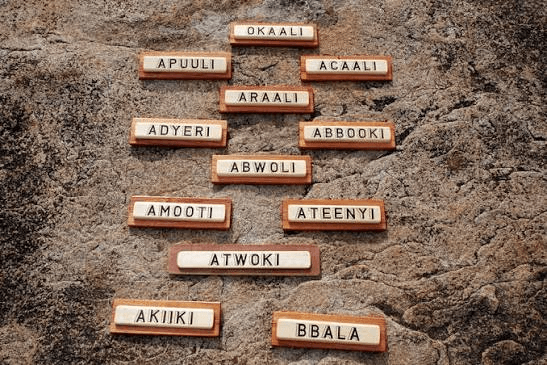
The Kingdom also developed strong cultural institutions that shaped social cohesion and identity. Clan systems provided frameworks for social organization and kinship, while oral traditions preserved history, values, and collective memory across generations. Spiritual practices, ceremonies, music, dance, and indigenous knowledge systems became central to community life and governance.

Over time, Bunyoro-Kitara Kingdom emerged as one of the most powerful and respected kingdoms in the region, influencing neighboring societies through diplomacy, trade, military strength, and cultural exchange. Its historical influence extended far beyond its territorial boundaries, contributing to the broader political and cultural evolution of the Great Lakes region.

The historical origins of Bunyoro-Kitara Kingdom therefore represent more than the emergence of a monarchy. They reflect the development of a sophisticated African civilization built upon systems of leadership, cultural continuity, innovation, and community organization that continue to shape identity and heritage today.

The history of Bunyoro-Kitara Kingdom cannot be fully understood without appreciating the significance of the ancient Kitara Empire (the Empire of Light), one of the most influential and expansive pre-colonial civilizations in the Great Lakes region of Africa. The Empire occupies an important place in the historical and cultural memory of East and Central Africa, representing a period of political organization, regional influence, cultural development, and economic strength that shaped societies across generations.

Historical traditions describe the Kitara Empire as a powerful civilization whose influence extended across large parts of present-day Uganda, Rwanda, Tanzania, eastern Democratic Republic of Congo, and neighboring territories. Although interpretations of its exact geographic scope vary among historians and oral traditions, the Empire is widely remembered as a major center of authority and cultural integration within the region.

The Kitara Empire became known for its sophisticated systems of governance and administration. Leadership structures emphasized centralized authority supported by regional leaders, clan systems, military organization, and networks of local governance that enabled coordination across vast territories. These systems helped maintain political stability, regulate trade, resolve disputes, and preserve social order.

Trade played a crucial role in the growth and influence of the Empire. Communities within the Kitara civilization engaged in regional commerce involving iron tools, salt, livestock, agricultural products, bark cloth, crafts, and other valuable goods. Trade routes connected different societies and encouraged cultural interaction, technological exchange, and economic development across the region.

The Empire also became recognized for its advancement in iron smelting and craftsmanship. Iron technology strengthened agriculture, hunting, construction, and military organization, contributing to the Kingdom’s regional influence and economic productivity. Skilled air jordan 1 high skyline artisans and craftspeople played an important role in shaping material culture and sustaining livelihoods within the Empire.

Beyond political and economic power, the Kitara Empire cultivated strong cultural and spiritual traditions that continue to influence communities today. Oral histories, royal traditions, clan identities, ceremonial practices, music, dance, and systems of indigenous knowledge formed an important part of social life and collective identity.

The Empire’s legacy also contributed significantly to the development of neighboring kingdoms and societies in the Great Lakes region. Systems of kingship, governance, cultural practice, and social organization associated with Kitara influenced the emergence and evolution of several later states and traditional institutions.

Although political transformations and external pressures eventually altered the structure of the Empire, its historical and cultural influence endured through the continuity of Bunyoro-Kitara Kingdom and the preservation of its traditions, institutions, and collective memory.

Today, the legacy of the Kitara Empire remains an important symbol of African civilization, indigenous governance, resilience, and cultural sophistication. It challenges outdated narratives that once underestimated the complexity of pre-colonial African societies and instead highlights the region’s long history of organized leadership, innovation, diplomacy, and cultural achievement.

For many communities, the memory of Kitara continues to represent unity, heritage, identity, and the enduring strength of African historical consciousness.

Royal leadership within Bunyoro-Kitara Kingdom has historically represented far more than political authority. It has embodied cultural stewardship, moral responsibility, social cohesion, and the preservation of collective identity. For centuries, the Kingdom’s governance systems provided structure, stability, and continuity across communities while shaping the political and cultural landscape of the Great Lakes region.

At the center of the Kingdom’s leadership structure is the Omukama, the cultural monarch and custodian of the Kingdom’s heritage, traditions, values, and unity. The institution of the Omukama symbolizes continuity between generations and serves as a unifying figure for the people of Bunyoro-Kitara. Historically, the monarch exercised authority over governance, diplomacy, military coordination, resource management, justice, and community welfare.

The authority of the Omukama was supported by an organized administrative structure that included chiefs, clan leaders, royal advisors, military commanders, and regional representatives. These leadership systems enabled governance across diverse territories while maintaining social order and accountability within communities.

Clan systems formed an essential component of governance and social organization. Clans helped regulate kinship relations, cultural obligations, marriage customs, inheritance systems, and community responsibilities. Clan elders and leaders often played important roles in dispute resolution, moral guidance, and preservation of oral history and cultural traditions.

Traditional governance in Bunyoro-Kitara Kingdom also emphasized consultation and collective responsibility. Important decisions were often informed through engagement with advisors, elders, and trusted leaders who represented the interests and perspectives of different communities. Leadership was closely tied to service, wisdom, and stewardship rather than authority alone.

Justice systems within the Kingdom were rooted in customary law and community mediation. Traditional leaders and elders resolved disputes through processes aimed at restoring harmony and maintaining social cohesion. These systems reflected values of reconciliation, dignity, and communal responsibility that remain relevant in contemporary discussions on conflict resolution and restorative justice.

Military organization also played an important role in protecting the Kingdom’s sovereignty and territorial integrity. The Kingdom maintained organized defense structures that became particularly significant during periods of regional conflict and later during resistance against colonial expansion under leaders such as Omukama Cwa II Kabalega.

Following Uganda’s political changes and the abolition of traditional kingdoms in 1967, the formal administrative authority of kingdoms was removed. However, the cultural and symbolic significance of Bunyoro-Kitara Kingdom remained deeply rooted among its people. With the restoration of traditional institutions in Uganda in 1993, the Kingdom regained official recognition as a cultural institution.

Today, under the leadership of Omukama Solomon Gafabusa Iguru I, the Kingdom continues to play an important cultural and social role within Uganda’s constitutional framework. Although it does not exercise political state authority, the Kingdom remains influential in promoting cultural preservation, social unity, heritage conservation, youth engagement, environmental stewardship, tourism, and community development.

Contemporary royal leadership within Bunyoro-Kitara Kingdom continues to emphasize dignity, cultural identity, unity, and service to community. The institution remains a symbol of continuity and indigenous African governance traditions while adapting to the realities of modern society.

The Kingdom’s governance legacy also contributes to broader conversations about African leadership systems, cultural diplomacy, identity, and the role of traditional institutions in contemporary development. Its enduring presence demonstrates how historical institutions can continue to provide cultural guidance, social cohesion, and moral leadership in a rapidly changing world.

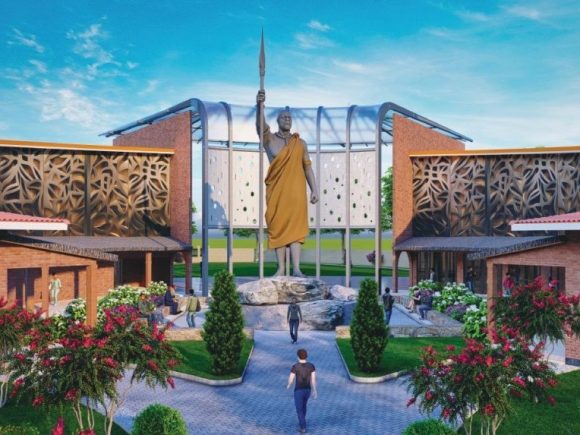
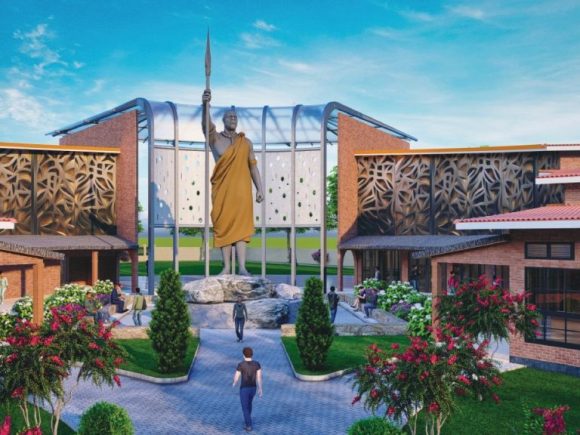
Omukama Cwa II Kabalega remains one of the most celebrated and influential figures in the history of Bunyoro-Kitara Kingdom and Uganda as a whole. Revered for his courage, visionary leadership, resistance to colonial domination, and commitment to the sovereignty of his people, Kabalega’s legacy continues to inspire generations across Africa and beyond.

Born in 1853, Kabalega ascended to the throne of Bunyoro-Kitara Kingdom during a period of significant political and social transformation in East Africa. At the time, external pressures from colonial expansion, regional conflicts, and shifting trade dynamics threatened the stability and independence of many African kingdoms. Despite these challenges, Kabalega emerged as a determined leader focused on strengthening the Kingdom politically, economically, and militarily.

During his reign, Kabalega undertook major reforms aimed at restoring the influence and territorial strength of Bunyoro-Kitara Kingdom. He reorganized military structures, strengthened systems of administration, encouraged agricultural productivity, promoted trade, and sought to reunify territories historically associated with the ancient Kitara Empire. His leadership reflected both strategic vision and deep commitment to the welfare and dignity of his people.

Kabalega is perhaps best remembered for his resistance against British colonial rule. At a time when European powers were rapidly extending colonial control across Africa, he refused to surrender the sovereignty of Bunyoro-Kitara Kingdom. Through prolonged resistance campaigns, Kabalega became one of the leading symbols of African opposition to colonial domination during the late nineteenth century.

His resistance was not merely military. It represented a broader defense of political independence, cultural identity, and self-determination. Kabalega’s determination challenged colonial assumptions about African leadership and demonstrated the resilience and organizational capacity of indigenous African states.

In addition to resisting colonial rule, Kabalega is also remembered for opposing the slave trade and promoting reforms that strengthened social organization within the Kingdom. His leadership emphasized unity, discipline, courage, and responsibility to community.

Following years of resistance, Kabalega was eventually captured by British colonial forces in 1899 and exiled to the Seychelles alongside Kabaka Mwanga II of Buganda. Even in exile, however, his influence and symbolic importance endured among his people and within broader African historical memory.

Kabalega later returned to Uganda in 1923 but died shortly before reaching Bunyoro. His death marked the end of an extraordinary chapter in African resistance history, yet his legacy continued to grow over time.

Today, Omukama Kabalega is widely recognized not only as a historical king, but also as a symbol of resilience, patriotism, visionary leadership, and African dignity. His story remains central to discussions about anti-colonial resistance, indigenous governance, cultural identity, and African self-determination.

In recognition of his contribution to Uganda’s history and national identity, the Government of Uganda posthumously declared Omukama Cwa II Kabalega a national hero in 2009.

Across Uganda and the wider African continent, Kabalega’s legacy continues to inspire cultural initiatives, leadership discussions, educational programs, memorial events, and heritage preservation efforts. His life serves as a reminder that leadership is not measured only by power, but by courage, conviction, sacrifice, and commitment to future generations.

For many communities today, Kabalega represents more than a historical figure. He symbolizes the enduring spirit of resistance, identity, and hope that continues to shape aspirations for unity, dignity, and progress in contemporary society.

Cultural heritage lies at the heart of Bunyoro-Kitara Kingdom and remains one of the most enduring foundations of identity, continuity, and community life within the Kingdom. Across generations, the people of Bunyoro have preserved a rich cultural tradition expressed through language, oral history, music, dance, folklore, spiritual practices, art, architecture, ceremonies, and systems of indigenous knowledge.

Heritage within Bunyoro-Kitara is not viewed simply as memory of the past. It is understood as a living expression of identity that continues to shape values, relationships, leadership, and social cohesion in the present. Cultural traditions provide communities with a sense of belonging and continuity, connecting younger generations to the experiences, wisdom, and aspirations of those who came before them.

The Kingdom’s cultural identity is deeply rooted in communal values such as respect, dignity, hospitality, courage, unity, responsibility, and stewardship. These values have historically guided social interaction, governance, family structures, and community life. Through storytelling, rituals, and traditional education systems, cultural knowledge has been passed from one generation to another, ensuring continuity of both identity and moral responsibility.

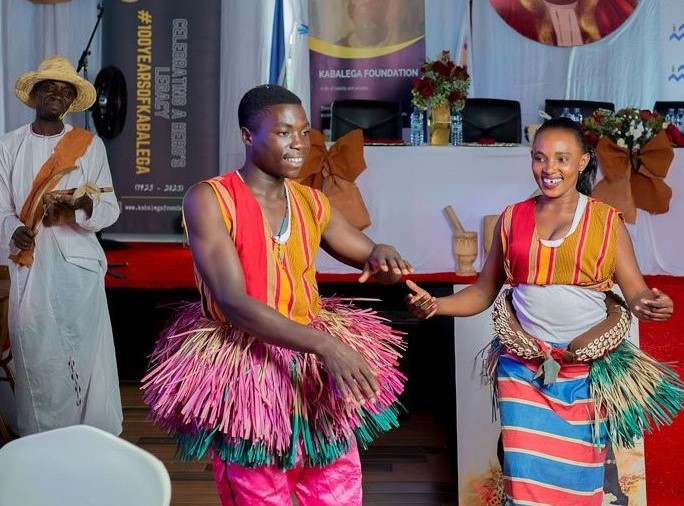
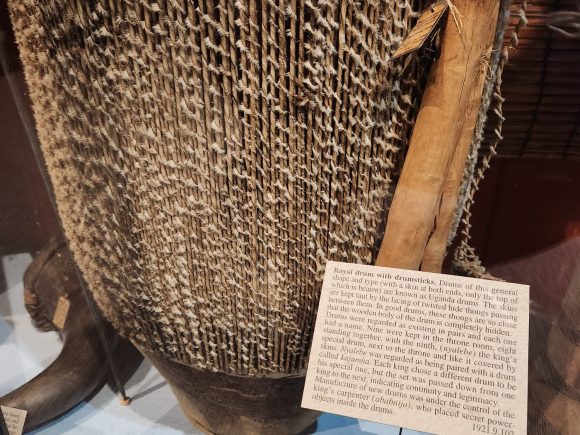
Music, dance, and performance remain central expressions of cultural life within the Kingdom. Traditional dances, royal ceremonies, praise songs, drumming traditions, and cultural performances are important vehicles for preserving historical memory and reinforcing collective identity. These artistic forms communicate stories of leadership, heroism, spirituality, community achievements, and social values in ways that remain emotionally and culturally powerful.

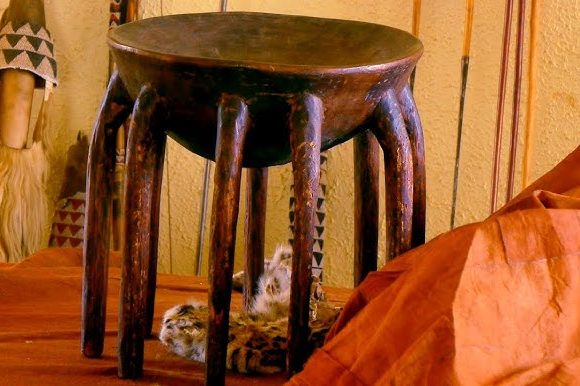
The Kingdom’s cultural heritage is also reflected in its traditional attire, craftsmanship, architecture, royal regalia, and symbolic artifacts. Indigenous crafts such as weaving, pottery, carving, bark cloth production, and blacksmithing historically served both practical and ceremonial functions while reflecting creativity, skill, and cultural symbolism.

Clan systems continue to play an important role in preserving identity and social organization within Bunyoro-Kitara society. Clans provide frameworks for kinship, cultural obligations, moral guidance, marriage customs, and community support systems. They also preserve oral histories and ancestral narratives that strengthen historical consciousness and social continuity.

Spiritual traditions and indigenous knowledge systems have likewise shaped the Kingdom’s cultural worldview. Traditional understandings of nature, land stewardship, healing practices, and communal responsibility contributed to sustainable social and environmental relationships long before the emergence of modern development discourse.

Over time, cultural heritage within Bunyoro-Kitara Kingdom has faced pressures from colonialism, modernization, urbanization, globalization, and changing social dynamics. Language erosion, declining intergenerational transmission, and reduced engagement with traditional practices have created challenges for cultural continuity.

Despite these pressures, the Kingdom continues to play a vital role in preserving and revitalizing cultural identity. Cultural ceremonies, heritage education, commemorative events, artistic initiatives, research programs, and community engagement efforts continue to strengthen awareness and appreciation of the Kingdom’s heritage among younger generations.

Today, cultural heritage is increasingly recognized not only as a historical asset, but also as a resource for education, tourism, diplomacy, peacebuilding, and sustainable development. The preservation of heritage contributes to social cohesion, strengthens identity, and creates opportunities for cultural exchange and economic participation.

Within Bunyoro-Kitara Kingdom, heritage remains a living force that continues to evolve while retaining its foundational values and historical significance. It serves as a reminder that identity is not inherited passively; it is preserved, practiced, interpreted, and renewed by each generation.

In a rapidly changing world, the Kingdom’s commitment to cultural preservation reflects a broader understanding that sustainable progress must remain connected to historical memory, dignity, and community identity.

Language and oral tradition have long served as foundational pillars of identity, historical continuity, and cultural preservation within Bunyoro-Kitara Kingdom. For generations, knowledge, values, history, spirituality, leadership principles, and collective memory have been transmitted not primarily through written records, but through spoken word, storytelling, performance, and communal learning.

The Runyoro language remains one of the most important expressions of cultural identity within the Kingdom. More than a means of communication, the language carries worldview, philosophy, social values, and historical consciousness embedded within its expressions, proverbs, idioms, and traditional narratives. Through language, communities preserve ancestral wisdom and maintain continuity between generations.

Historically, oral tradition functioned as the Kingdom’s living archive. Elders, storytellers, clan leaders, musicians, poets, and royal custodians played important roles in preserving and transmitting historical narratives, genealogies, cultural norms, and moral teachings. Important events, leadership transitions, victories, conflicts, customs, and community values were remembered and communicated through oral performance and communal gatherings.

Storytelling occupied a central place in social and cultural life. Folktales, legends, praise poetry, proverbs, songs, and oral histories were used not only for entertainment, but also for education and moral instruction. Through storytelling, younger generations learned about courage, responsibility, leadership, respect, community, resilience, and cultural identity.

Proverbs in particular served as important tools of wisdom and social guidance. They condensed complex moral and philosophical lessons into memorable expressions that shaped community behavior and decision-making. Many of these proverbs continue to influence everyday communication and cultural understanding within Bunyoro society today.

Oral traditions also preserved the memory of significant historical figures, including Omukama Cwa II Kabalega, whose leadership, resistance, and legacy continue to be remembered through songs, narratives, ceremonies, and cultural expression. Through oral memory, historical figures remain active participants in cultural identity rather than distant historical references.

Traditional music and performance further strengthened oral transmission. Drumming, ceremonial chants, royal praise songs, and cultural dances communicated history, social values, and communal identity across generations. These forms of expression reinforced unity and ensured that cultural knowledge remained embedded within everyday life.

Indigenous knowledge systems related to agriculture, environmental stewardship, healing, governance, and conflict resolution were likewise transmitted orally. Communities relied on intergenerational learning to preserve practical knowledge necessary for survival, social harmony, and sustainable living.

However, like many indigenous cultures around the world, Bunyoro-Kitara’s language and oral traditions face increasing challenges in the modern era. Globalization, urbanization, formal education systems dominated by foreign languages, digital media consumption, and changing lifestyles have contributed to declining use of indigenous languages and reduced intergenerational transmission of oral knowledge.

Younger generations increasingly grow up disconnected from traditional storytelling spaces and cultural learning environments that historically shaped identity and communal values. This has created growing concern about language erosion and the gradual loss of intangible cultural heritage.

In response, efforts to preserve and revitalize Runyoro language and oral traditions have become increasingly important. Cultural institutions, educators, artists, researchers, traditional leaders, and community organizations continue to promote language preservation through cultural events, heritage education, literature, documentation projects, media platforms, and intergenerational engagement initiatives.

Digital platforms and contemporary creative expression are also creating new opportunities for cultural preservation. Young creators, writers, musicians, and storytellers are increasingly using modern tools to reinterpret traditional narratives for contemporary audiences while maintaining cultural authenticity.

The preservation of language and oral traditions remains essential not only for protecting cultural heritage, but also for sustaining identity, belonging, and historical continuity. Within Bunyoro-Kitara Kingdom, oral tradition continues to remind communities that memory is not only written in books — it is carried in voices, stories, songs, and shared experience.

As the Kingdom looks toward the future, safeguarding language and oral heritage remains central to ensuring that future generations inherit not only historical information, but also the cultural wisdom, values, and identity that define the spirit of Bunyoro-Kitara.

Bunyoro-Kitara Kingdom is home to a rich network of cultural, historical, and heritage sites that reflect centuries of leadership, civilization, spirituality, and collective memory. These sites serve not only as reminders of the Kingdom’s historical journey, but also as important spaces for cultural education, tourism, research, identity formation, and community engagement.

Across the Kingdom, royal palaces, historical landmarks, traditional shrines, burial grounds, natural landscapes, and commemorative spaces preserve stories that connect present generations to the legacy of the past. They stand as living symbols of the Kingdom’s endurance, resilience, and cultural continuity.

Among the most significant cultural landmarks is Karuzika Palace, the official palace of the Omukama of Bunyoro-Kitara Kingdom. The palace serves as both a royal residence and a symbol of cultural authority, leadership, and heritage preservation within the Kingdom. Beyond its architectural and ceremonial significance, Karuzika Palace functions as a center for cultural gatherings, royal functions, traditional ceremonies, and engagement with communities and visitors.

The Kingdom is also associated with important historical sites connected to the life and legacy of Omukama Cwa II Kabalega. These include Mparo Royal Tombs (the former palace, and burial site for Omukama Cwa II Kabalega, among many other locations tied to his resistance against colonial rule, royal administration, cultural leadership, and moments of historical transformation that continue to shape Uganda’s national memory. Such sites carry deep symbolic significance and remain important for historical reflection and cultural education.

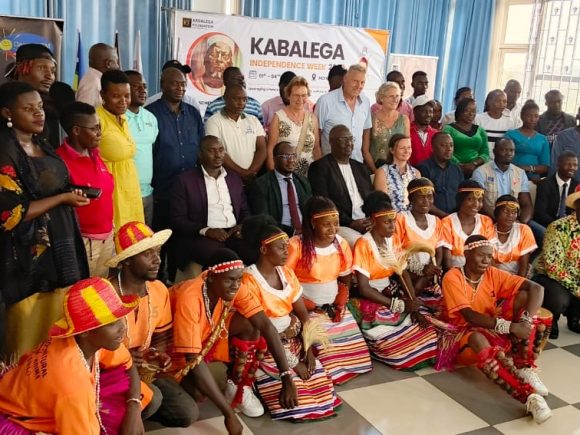
Traditional ceremonies and cultural events further strengthen the Kingdom’s tourism and heritage landscape. Royal celebrations, cultural festivals, commemorative events, music and dance performances, and traditional rituals attract visitors while providing opportunities for intergenerational learning and cultural exchange. These events help preserve traditions while showcasing the richness and diversity of Bunyoro cultural heritage.

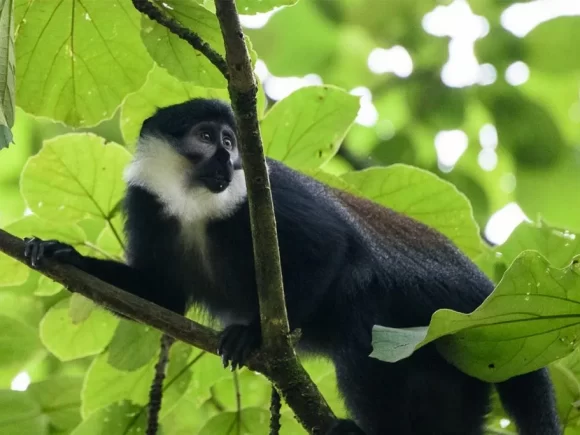
The Kingdom’s natural environment also contributes significantly to its cultural and tourism identity. Lakes, forests, rivers, wildlife areas, and landscapes within the Bunyoro region have historically shaped livelihoods, spirituality, trade, and settlement patterns. Many of these natural spaces hold cultural significance within local traditions and oral histories.

Cultural tourism within Bunyoro-Kitara Kingdom offers opportunities not only for economic development, but also for heritage preservation and cultural diplomacy. Tourism creates pathways for communities to share their history, traditions, art, cuisine, crafts, and identity with wider national and international audiences. It also supports local livelihoods through hospitality, guiding services, cultural enterprises, artistic production, and heritage conservation initiatives.

Increasingly, cultural tourism is being recognized as an important tool for sustainable development. By investing in heritage preservation, infrastructure, documentation, cultural education, and responsible tourism practices, the Kingdom and its partners contribute to protecting cultural assets while generating social and economic value for communities.

At the same time, preserving cultural sites presents important challenges. Urbanization, environmental degradation, inadequate conservation resources, and limited documentation threaten some heritage spaces and traditions. Ensuring long-term preservation requires coordinated efforts involving cultural institutions, government agencies, communities, researchers, and development partners.

There is also growing recognition of the need to integrate digital preservation and modern interpretation into heritage promotion. Virtual documentation, digital archives, educational media, and contemporary artistic expression offer new opportunities to preserve and communicate the Kingdom’s heritage to younger generations and global audiences.

Today, the cultural sites and tourism potential of Bunyoro-Kitara Kingdom continue to contribute to cultural pride, historical awareness, and economic opportunity. They remind visitors and communities alike that heritage is not simply something to observe, but something to experience, protect, and carry forward.

Through its historical landmarks, living traditions, and cultural spaces, the Kingdom continues to strengthen its role as both a guardian of memory and a destination for cultural discovery and learning.

In contemporary Uganda, Bunyoro-Kitara Kingdom continues to play an important cultural, social, and developmental role within society. While traditional kingdoms in Uganda no longer exercise direct political governance in the modern state structure, the Kingdom remains a respected institution that contributes significantly to cultural preservation, community mobilization, social cohesion, identity formation, and development advocacy.

The restoration of cultural institutions in Uganda in 1993 marked a renewed recognition of the importance of traditional leadership in preserving heritage and strengthening community identity. Since then, Bunyoro-Kitara Kingdom has continued to evolve as a modern cultural institution that balances respect for tradition with engagement in contemporary societal issues.

At the center of the Kingdom’s contemporary role is the preservation and promotion of cultural heritage. Through royal ceremonies, cultural education programs, commemorative events, traditional leadership structures, artistic initiatives, and heritage advocacy, the Kingdom helps sustain historical memory and strengthen cultural identity among present and future generations.

In an era shaped by globalization, urbanization, and rapidly changing social dynamics, the Kingdom provides many communities with a sense of continuity, belonging, and rootedness. Cultural institutions increasingly serve as spaces where historical identity can coexist with modern aspirations, helping communities navigate change without losing connection to their heritage.

The Kingdom also plays an important role in promoting social unity and communal values. Traditional leadership structures continue to command cultural respect and often serve as unifying platforms across clans, communities, and generations. Through dialogue, mediation, and community engagement, cultural leaders contribute to social harmony and conflict resolution at local levels.

Beyond cultural preservation, Bunyoro-Kitara Kingdom has become increasingly engaged in development-oriented initiatives. The Kingdom has supported efforts related to education, health awareness, environmental conservation, youth empowerment, tourism promotion, cultural research, and community mobilization. By leveraging cultural influence and public trust, the Kingdom is able to mobilize communities around shared development goals.

The Kingdom’s involvement in education and cultural awareness remains particularly significant. Cultural institutions help preserve indigenous knowledge systems, promote language preservation, encourage historical literacy, and strengthen civic consciousness. They provide platforms where younger generations can engage with history, leadership values, and cultural identity in meaningful ways.

The growing role of the Kingdom in tourism and cultural diplomacy has also positioned it as an important contributor to regional visibility and economic opportunity. Cultural festivals, royal events, heritage sites, and historical narratives attract visitors, researchers, development partners, and members of the diaspora, helping strengthen both cultural exchange and local economies.

In addition, the Kingdom increasingly serves as a bridge between traditional structures and modern institutions. Through partnerships with government agencies, civil society organizations, educational institutions, researchers, and development actors, the Kingdom contributes to collaborative approaches that integrate cultural understanding into community development efforts.

The legacy of Omukama Cwa II Kabalega continues to shape the Kingdom’s contemporary relevance. His vision of unity, dignity, resilience, reform, and self-determination remains influential in discussions surrounding leadership, governance, youth empowerment, and cultural identity in modern society.

At the same time, the Kingdom faces contemporary challenges common to many traditional institutions worldwide. These include balancing modernization with cultural preservation, engaging younger generations, protecting cultural heritage from erosion, and adapting traditional systems to rapidly evolving social realities.

Nevertheless, Bunyoro-Kitara Kingdom continues to demonstrate resilience and adaptability. By embracing education, cultural innovation, digital engagement, heritage preservation, and strategic partnerships, the Kingdom continues to strengthen its relevance within contemporary society.

Today, the Kingdom stands not merely as a symbol of history, but as a living institution contributing to national identity, cultural continuity, social development, and community transformation. Its continued role reflects the enduring importance of culture and heritage in shaping resilient, informed, and united societies in the modern world.

Throughout its history, Bunyoro-Kitara Kingdom has not only served as a cultural institution, but also as a foundation for social organization, economic activity, community welfare, and regional development. In contemporary society, the Kingdom continues to play an increasingly important role in supporting development initiatives that seek to improve livelihoods, strengthen social cohesion, preserve heritage, and empower communities.

The relationship between culture and development is deeply interconnected. Sustainable development is not achieved through infrastructure and economic growth alone; it also depends on identity, values, participation, social trust, and community ownership. Cultural institutions such as Bunyoro-Kitara Kingdom provide an important framework through which communities organize collectively around shared aspirations and responsibilities.

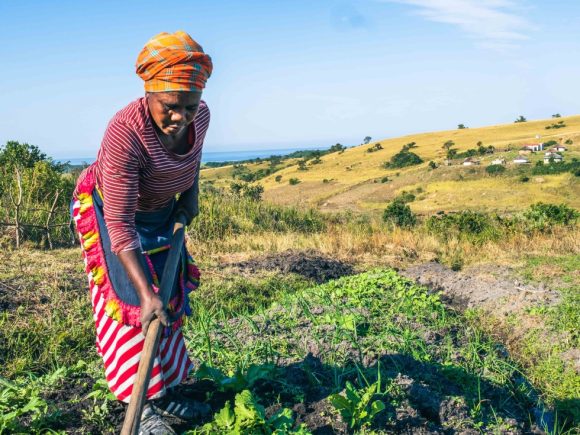
Historically, the Kingdom maintained systems that supported agriculture, trade, environmental stewardship, social welfare, and communal cooperation. Traditional governance structures helped coordinate resource management, resolve disputes, and maintain social order within communities. Many of these indigenous approaches emphasized collective responsibility, sustainability, and interdependence long before such principles became central to modern development discourse.

Today, the Kingdom continues to contribute to development by mobilizing communities around issues that affect social well-being and long-term progress. Through cultural influence and trusted leadership structures, the Kingdom supports initiatives related to education, environmental conservation, public health awareness, youth empowerment, cultural preservation, and community development.

Education remains one of the most important areas where the Kingdom’s influence continues to be felt. Cultural institutions play a vital role in promoting historical literacy, leadership values, indigenous knowledge systems, and identity formation among young people. By supporting educational initiatives and encouraging cultural awareness, the Kingdom contributes to building informed and socially responsible citizens.

The Kingdom also recognizes the importance of youth engagement in shaping future development outcomes. Uganda’s youthful population presents both opportunity and responsibility. Cultural institutions increasingly serve as spaces where young people can engage with leadership, heritage, entrepreneurship, civic participation, and innovation while remaining connected to their cultural identity.

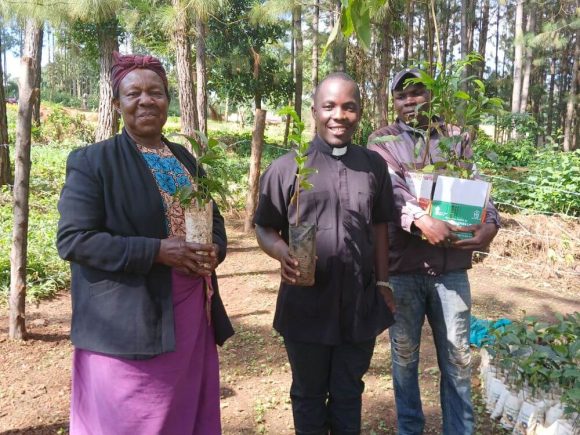
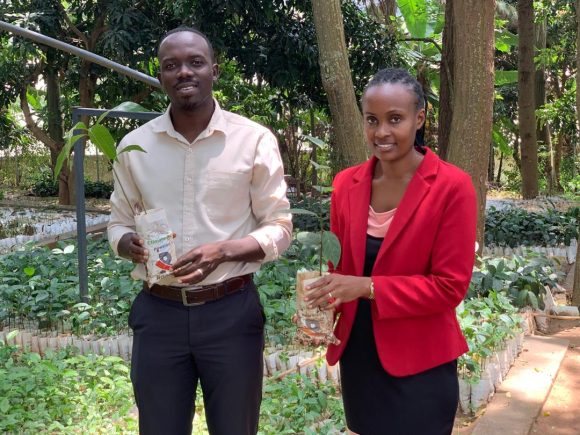
Environmental stewardship is another important dimension of the Kingdom’s developmental role. Traditional cultural values historically emphasized respect for nature, sustainable use of resources, and communal responsibility toward the environment. In the face of climate change, deforestation, environmental degradation, and biodiversity loss, these traditional perspectives continue to hold important relevance for modern sustainability efforts.

Tourism and heritage preservation likewise contribute significantly to local economic development. Cultural tourism creates opportunities for employment, entrepreneurship, hospitality services, artistic production, and small business growth within communities. Heritage sites, festivals, royal ceremonies, and cultural events attract visitors while simultaneously strengthening cultural pride and historical awareness.

The Kingdom has also increasingly engaged in partnerships with civil society organizations, educational institutions, development agencies, government bodies, and community-based organizations. These collaborations strengthen the ability to address local challenges while integrating cultural understanding into development programming.

Importantly, the Kingdom’s role in development extends beyond material progress. Cultural institutions contribute to social cohesion, conflict resolution, moral guidance, and collective identity — all of which are essential foundations for stable and inclusive societies. Communities that possess strong social bonds and shared cultural values are often better positioned to navigate social and economic change.

The legacy of Omukama Cwa II Kabalega continues to shape contemporary conversations around leadership and development within the Kingdom. Kabalega’s emphasis on unity, resilience, reform, self-determination, and community strength remains influential in how development is understood within cultural contexts today.

At the same time, modern development challenges such as unemployment, poverty, cultural erosion, climate vulnerability, and social inequality require adaptive and collaborative responses. The Kingdom continues to evolve its role by engaging contemporary tools, educational initiatives, cultural research, and strategic partnerships while preserving the values that define its historical identity.

Increasingly, there is recognition that development efforts become more sustainable and impactful when they are rooted in local culture and community participation. In this context, Bunyoro-Kitara Kingdom remains an important institution that connects heritage with progress, tradition with innovation, and identity with transformation.

Its continued contribution demonstrates that culture is not separate from development. Rather, culture provides the human foundation upon which sustainable development must stand.

The historical legacy of Bunyoro-Kitara Kingdom extends beyond regional cultural significance. Rooted in centuries of political organization, resistance, leadership, and cultural continuity, the Kingdom occupies an important place within broader African historical consciousness and conversations surrounding Pan-African identity, self-determination, and cultural diplomacy.

At the center of this legacy stands Omukama Cwa II Kabalega, whose leadership and resistance against colonial domination continue to resonate far beyond Uganda. Kabalega’s determination to defend sovereignty, preserve dignity, and resist foreign control positioned him among the notable African leaders who challenged colonial expansion during the nineteenth century. His story reflects themes that remain central to Pan-African thought: resistance, unity, resilience, self-governance, and cultural pride.

Across Africa, historical memory plays an important role in shaping collective identity and diplomatic relationships. Kingdoms such as Bunyoro-Kitara remind the continent that African societies possessed sophisticated systems of governance, trade, diplomacy, knowledge production, and cultural organization long before colonial intervention. Preserving and communicating these histories contributes to restoring historical balance and strengthening African intellectual confidence in the modern world.

The Kingdom’s legacy therefore holds significance not only for cultural preservation, but also for contemporary discussions surrounding African identity and global representation. In a world where nations increasingly compete through narrative, culture, and influence, heritage has become an important dimension of soft power and international engagement.

Cultural diplomacy refers to the use of cultural heritage, artistic expression, historical memory, and identity to strengthen understanding, cooperation, and relationships between peoples and nations. Increasingly, countries and cultural institutions around the world recognize that diplomacy is shaped not only by politics and economics, but also by culture, ideas, memory, and shared human experience.

Within this context, Bunyoro-Kitara Kingdom contributes to cultural diplomacy by preserving historical narratives that speak to broader African experiences of resilience, civilization, and continuity. Through commemorative events, cultural festivals, academic dialogue, artistic initiatives, heritage tourism, and leadership platforms, the Kingdom helps project African cultural identity onto regional and international stages.

The growing interest in African heritage among scholars, diaspora communities, cultural institutions, and international audiences creates new opportunities for cultural exchange and collaboration. Cultural heritage sites, leadership institutes, memorial lectures, research initiatives, museums, artistic exhibitions, and heritage documentation projects increasingly function as diplomatic spaces where dialogue and mutual understanding can emerge.

The Pan-African dimension of the Kingdom’s legacy is also reflected in its historical values. The vision associated with Omukama Kabalega emphasized unity, dignity, reform, and resistance to oppression — principles that resonate strongly with broader Pan-African movements advocating for African solidarity, liberation, and self-determination throughout the twentieth century and into the present day.

Diaspora engagement further strengthens this cultural connection. Across the world, people of African descent continue to seek meaningful connections to African history, identity, and heritage. Cultural institutions such as Bunyoro-Kitara Kingdom provide important spaces for reconnecting with ancestral narratives, historical memory, and cultural belonging. Heritage therefore becomes not only local preservation, but also a bridge linking Africa to global African communities.

At the same time, cultural diplomacy offers opportunities for peacebuilding and social cohesion. In a world increasingly shaped by polarization, conflict, and identity fragmentation, cultural exchange can foster empathy, dialogue, and mutual respect across societies. Shared heritage narratives remind communities of their interconnected humanity and common aspirations.

Importantly, the Kingdom’s contribution to cultural diplomacy is not based on nostalgia or romanticization of the past. Rather, it reflects the understanding that historical memory can inform contemporary leadership, inspire social transformation, strengthen identity, and promote constructive engagement with global challenges.

As globalization accelerates cultural exchange, there is growing recognition that preserving indigenous identity and historical consciousness is essential to maintaining cultural diversity and intellectual sovereignty. The Kingdom’s continued commitment to heritage preservation therefore contributes not only to Uganda’s cultural landscape, but also to wider global conversations about identity, memory, dignity, and the role of culture in shaping international relations.

Today, Bunyoro-Kitara Kingdom stands as both a guardian of historical memory and a participant in contemporary cultural dialogue. Its Pan-African legacy continues to inspire efforts toward cultural preservation, intellectual renewal, leadership development, and diplomacy grounded in shared human values and historical understanding.

Through its enduring heritage and evolving cultural engagement, the Kingdom demonstrates that Africa’s history is not merely something to remember — it is a resource for shaping the future.

The history of Bunyoro-Kitara Kingdom is deeply marked by one of the most significant anti-colonial resistance struggles in East African history. Long before modern independence movements emerged across Africa in the twentieth century, the Kingdom stood at the forefront of resisting foreign domination, defending sovereignty, and preserving political and cultural autonomy against expanding colonial influence.

At the center of this struggle was Omukama Cwa II Kabalega, whose leadership during the late nineteenth century transformed Bunyoro-Kitara into one of the strongest symbols of African resistance to colonial occupation. His reign coincided with a period of aggressive European expansion into Africa during what became known as the “Scramble for Africa,” when foreign powers sought political control, economic exploitation, and territorial domination across the continent.

During this period, many African kingdoms and societies faced increasing pressure from colonial administrators, foreign military expeditions, missionaries, and commercial interests. Bunyoro-Kitara Kingdom, however, resisted efforts to undermine its sovereignty and remained determined to preserve its independence.

Kabalega understood that colonial expansion threatened not only political authority, but also cultural identity, economic systems, social organization, and the dignity of his people. In response, he undertook major reforms to strengthen the Kingdom militarily and administratively. He reorganized armed forces, consolidated political structures, expanded systems of governance, strengthened economic activity, and sought to unify territories historically associated with the Kingdom.

The Kingdom’s resistance was both strategic and determined. Kabalega refused to submit to British colonial demands and resisted efforts to place Bunyoro under foreign control. Over time, the conflict escalated into prolonged military confrontations between the Kingdom and British imperial forces, supported at different times by allied regional actors.

Unlike many colonial narratives that portrayed African resistance as isolated or disorganized, Bunyoro’s struggle demonstrated sophisticated leadership, political coordination, and military resilience. Kabalega employed guerrilla tactics, strategic mobility, and regional alliances to sustain resistance despite growing colonial military pressure.

The resistance wars had profound consequences for the Kingdom and its people. Communities experienced displacement, destruction of property, economic disruption, and social instability as conflict intensified. Colonial campaigns targeted agricultural systems, local administration structures, and regional support networks in efforts to weaken the Kingdom’s capacity to resist.

One of the most painful outcomes of the conflict was the loss of territory. Following the eventual defeat of Bunyoro’s resistance, several counties historically associated with the Kingdom were transferred to neighboring political entities under colonial administration. These territorial losses carried deep political, economic, and emotional consequences that continued to shape historical grievances and regional dynamics for generations.

In 1899, Omukama Kabalega was captured by British colonial authorities alongside Kabaka Mwanga II after years of resistance. Both leaders were exiled to the Seychelles, symbolizing a major turning point in the colonial consolidation of Uganda. Although the capture marked the military defeat of the Kingdom’s resistance, it did not extinguish Kabalega’s symbolic influence.

The impact of the struggle extended far beyond military conflict. Kabalega’s resistance became a lasting symbol of African dignity, sovereignty, and refusal to surrender to colonial domination. His leadership inspired later generations of nationalists, Pan-African thinkers, cultural leaders, and independence movements across Africa who viewed anti-colonial resistance as a defense of humanity, identity, and self-determination.

The Kingdom’s struggle also shaped cultural memory within Bunyoro-Kitara and Uganda more broadly. Songs, oral histories, commemorations, cultural ceremonies, and historical narratives preserved the memory of sacrifice, resilience, and resistance. Kabalega came to represent not only a king, but also a broader ideal of courage and principled leadership in times of adversity.

In post-independence Uganda, there has been increasing recognition of the significance of Bunyoro’s resistance history within the national story. In 2009, the Government of Uganda officially recognized Omukama Cwa II Kabalega as a national hero, acknowledging his contribution to the struggle against colonial domination and his enduring place in Uganda’s historical identity.

Today, the pre-colonial resistance struggle of Bunyoro-Kitara Kingdom continues to hold important lessons for contemporary society. It reminds future generations of the importance of sovereignty, cultural identity, unity, resilience, and leadership grounded in conviction and responsibility.

The struggle also challenges simplistic understandings of African history by affirming that African societies actively resisted colonialism and defended their political and cultural institutions with courage and strategic vision.

Within Bunyoro-Kitara Kingdom, the memory of resistance remains an important source of identity and pride. It continues to inspire cultural preservation efforts, leadership reflection, historical education, and broader conversations about justice, dignity, and self-determination in both national and global contexts.

The Kingdom’s struggle for independence was not simply a war of the past. It was a defining moment in the defense of African agency and historical consciousness — a legacy that continues to resonate across generations today.

Despite its rich historical legacy and enduring cultural significance, Bunyoro-Kitara Kingdom, like many cultural institutions across Africa and the world, faces growing challenges in preserving and transmitting heritage in a rapidly changing global environment. The preservation of cultural identity today requires navigating complex social, economic, technological, and generational transformations that continue to reshape how communities relate to history, tradition, and collective memory.

One of the most significant challenges is the gradual erosion of indigenous languages and oral traditions. Historically, much of the Kingdom’s history, values, governance systems, folklore, and indigenous knowledge were transmitted orally through storytelling, songs, ceremonies, proverbs, and communal learning. However, globalization, urbanization, formal education systems dominated by foreign languages, and changing communication patterns have weakened many traditional spaces for intergenerational knowledge transfer.

Younger generations increasingly grow up within digital and globalized environments where exposure to international media and external cultural influences often exceeds engagement with local cultural traditions. While globalization has created opportunities for connectivity and innovation, it has also contributed to identity fragmentation and declining familiarity with indigenous languages, customs, and historical narratives.

The modernization of society has similarly transformed social structures that once sustained cultural continuity. Traditional communal systems, extended family interactions, apprenticeship models, and village-based learning environments have gradually weakened in some contexts due to migration, urban growth, economic pressures, and changing lifestyles. As these social structures evolve, opportunities for cultural mentorship and direct intergenerational transmission become less frequent.

Another major challenge involves the preservation of physical heritage sites and cultural artifacts. Historical landmarks, royal sites, traditional architecture, sacred spaces, and cultural objects often face threats from environmental degradation, urban expansion, infrastructure development, climate change, and inadequate conservation resources. Without sufficient investment in restoration, documentation, and protection, some important cultural assets risk deterioration or permanent loss.

Limited documentation of historical materials and indigenous knowledge systems also presents a significant concern. Many historical accounts, oral histories, cultural practices, and community memories remain insufficiently recorded or archived. As elder custodians of cultural knowledge pass away, valuable historical information risks disappearing if not intentionally preserved through research, recording, and educational initiatives.

Economic pressures further complicate heritage preservation efforts. In many communities, immediate livelihood concerns understandably take priority over cultural conservation activities. Artists, researchers, traditional custodians, cultural practitioners, and heritage institutions often operate with limited financial support and inadequate infrastructure. Sustaining cultural initiatives therefore requires balancing preservation goals with economic realities and development priorities.

Cultural commercialization presents another evolving challenge. While cultural tourism and creative industries can generate valuable economic opportunities, there is also risk that heritage may become overly commercialized, simplified, or detached from its deeper historical and spiritual meaning. Preserving authenticity while adapting heritage for modern audiences requires careful balance and responsible cultural stewardship.

The effects of colonialism continue to influence heritage preservation as well. Colonial systems disrupted many indigenous governance structures, devalued African knowledge systems, displaced cultural artifacts, and altered historical narratives. In some cases, generations grew up disconnected from aspects of their own cultural identity due to historical marginalization of indigenous traditions and languages.

At the same time, technological transformation has introduced both opportunities and challenges. Digital platforms can help preserve and disseminate heritage through online archives, virtual exhibitions, digital storytelling, and educational content. However, digital culture can also contribute to shortened attention spans, superficial engagement with history, and increasing dominance of external cultural narratives if local heritage is not intentionally integrated into digital spaces.

Environmental change poses an additional threat to both cultural and natural heritage. Climate change, deforestation, land degradation, and biodiversity loss affect landscapes, ecosystems, and sacred spaces historically connected to cultural identity and traditional practices. Protecting cultural heritage increasingly requires integrating environmental conservation with heritage preservation efforts.

Despite these challenges, there are also important opportunities for renewal and revitalization. Across the Kingdom and wider African societies, there is growing recognition of the importance of preserving heritage as a foundation for identity, education, tourism, peacebuilding, diplomacy, and sustainable development. Cultural institutions, artists, educators, researchers, youth leaders, and community organizations are increasingly engaging in efforts to document history, revive languages, support cultural education, and reinterpret heritage for contemporary generations.

Young people, in particular, are playing an emerging role in reshaping how heritage is preserved and communicated. Through visual art, literature, film, digital media, fashion, music, and cultural entrepreneurship, younger generations are finding innovative ways to reconnect with identity while engaging modern realities.

Addressing heritage preservation challenges therefore requires collaborative and forward-looking approaches. Governments, cultural institutions, educational systems, civil society organizations, communities, and development partners all have roles to play in strengthening cultural infrastructure, supporting research, investing in documentation, promoting indigenous languages, and ensuring that heritage remains relevant within modern society.

Ultimately, preserving heritage is not about resisting change. It is about ensuring that change does not erase identity, memory, and historical continuity. Within Bunyoro-Kitara Kingdom, heritage preservation remains an ongoing responsibility — one that seeks not only to protect the past, but also to provide future generations with a sense of belonging, dignity, and cultural grounding in an increasingly complex world.

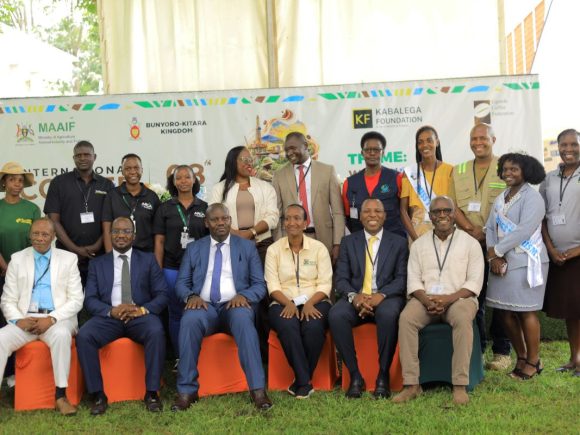
Kabalega Foundation shares a strong historical, cultural, and developmental connection with Bunyoro-Kitara Kingdom through a common commitment to heritage preservation, community empowerment, leadership development, education, environmental sustainability, and social transformation. Inspired by the enduring legacy and values of Omukama Cwa II Kabalega, the Foundation works closely with cultural institutions, communities, stakeholders, and development partners to promote initiatives that strengthen both cultural continuity and sustainable development.

The partnership reflects a shared understanding that heritage and development are deeply interconnected. Sustainable progress cannot be fully achieved without preserving identity, historical consciousness, cultural dignity, and community values. Equally, cultural preservation must remain relevant to the social and economic realities facing communities today.

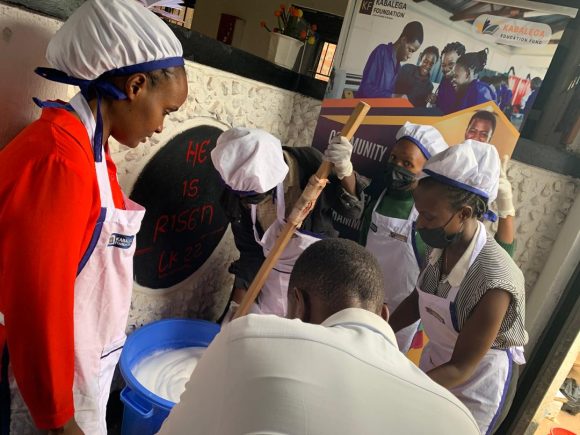
Through this partnership, Kabalega Foundation supports efforts that preserve and promote the Kingdom’s rich historical and cultural legacy while also advancing educational opportunities, youth empowerment, civic engagement, environmental stewardship, research, and community development.

One of the central areas of collaboration involves cultural preservation and historical documentation. The Foundation actively supports initiatives that seek to preserve oral traditions, promote historical literacy, document cultural heritage, and create platforms where younger generations can engage meaningfully with the history and identity of Bunyoro-Kitara Kingdom. Through research, publications, commemorative activities, digital storytelling, and educational outreach, the partnership contributes to safeguarding heritage for future generations.

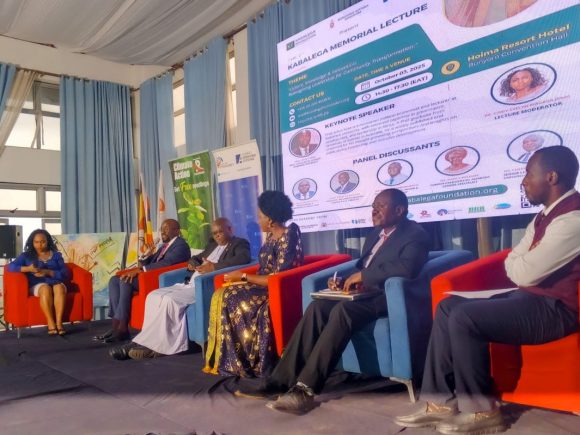
The Foundation also works to create spaces for reflection on leadership, governance, identity, and societal transformation inspired by the legacy of Omukama Kabalega. Initiatives such as memorial lectures, cultural dialogues reviews on air jordan outlet, leadership platforms, and public education programs encourage conversations about ethical leadership, resilience, unity, Pan-African identity, and civic responsibility within contemporary society.

Youth engagement remains an important dimension of the partnership. Recognizing the importance of empowering future generations, the Foundation promotes programs that combine cultural grounding with education, innovation, skills development, and leadership training. By helping young people reconnect with their heritage while preparing for modern opportunities and challenges, the partnership strengthens identity, belonging, and responsible citizenship.

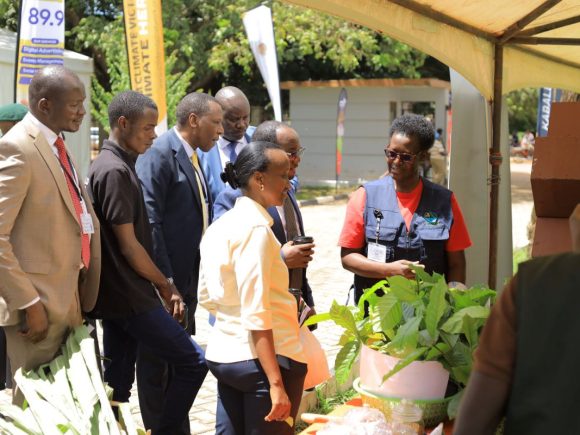
The partnership also contributes to cultural tourism and heritage visibility. Through support for heritage initiatives, commemorative events, cultural campaigns, artistic collaborations, and awareness programs, Kabalega Foundation helps promote the Kingdom’s historical significance to national and international audiences. These efforts strengthen cultural pride while creating opportunities for tourism, research, creative industries, and community participation.

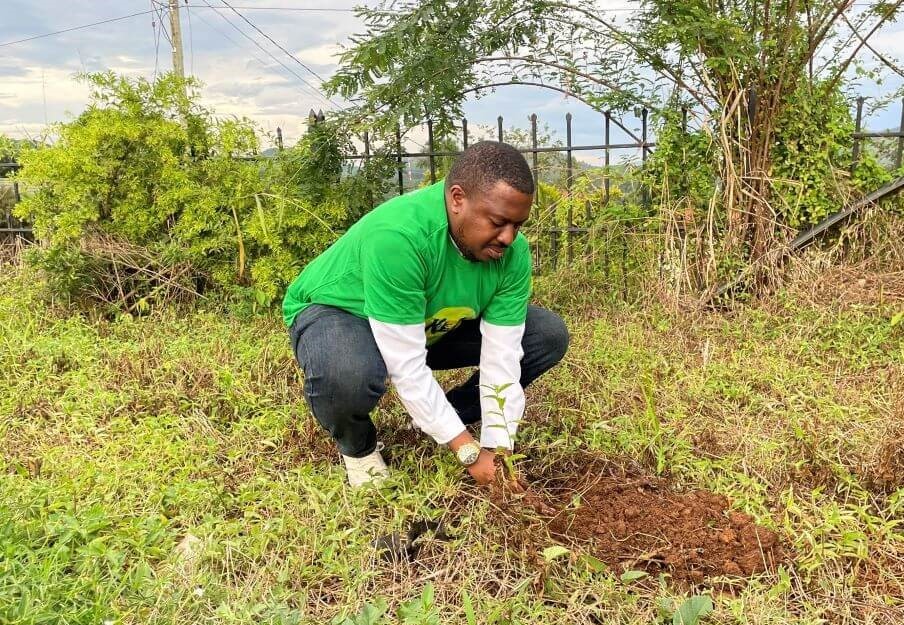
Environmental sustainability and community livelihoods form another area of shared interest. Traditional cultural values within Bunyoro-Kitara Kingdom historically emphasized stewardship of land, natural resources, and communal responsibility. The Foundation builds upon these values through environmental conservation initiatives, sustainable development programs, awareness campaigns, and community empowerment efforts aimed at promoting long-term resilience and well-being.

Importantly, the partnership recognizes that culture is not static. Heritage must continue to evolve in ways that remain meaningful and accessible to younger generations living within increasingly digital and globalized environments. Through creative arts, media, public engagement, and educational innovation, the Foundation supports contemporary approaches to cultural preservation that connect historical memory with modern expression.

The collaboration between Kabalega Foundation and Bunyoro-Kitara Kingdom also contributes to broader conversations surrounding cultural diplomacy, African identity, historical memory, and community-centered development. By preserving and promoting the legacy of Omukama Kabalega and the wider Kingdom heritage, the partnership helps position culture as a resource for peacebuilding, education, leadership development, and social cohesion.

As both institutions continue to evolve, the partnership remains guided by shared principles of dignity, unity, sustainability, inclusivity, cultural respect, and service to community. Together, they seek to ensure that the Kingdom’s rich heritage continues not only to be remembered, but also to inspire meaningful transformation within present and future generations.

The partnership ultimately reflects a broader vision: that preserving heritage is not simply about honoring history, but about building a society that draws wisdom, identity, and purpose from its historical foundations while embracing opportunities for progress and innovation.

Bunyoro-Kitara Kingdom stands today as more than a historical institution. It represents a living legacy shaped by centuries of leadership, resilience, cultural continuity, and collective identity. From the ancient foundations of the Kitara Empire to the enduring influence of Omukama Cwa II Kabalega and the contemporary role of the Kingdom in society, Bunyoro-Kitara remains deeply woven into the cultural and historical fabric of Uganda and the wider African story.

Its history reflects not only political organization and royal leadership, but also the lived experiences, values, traditions, and aspirations of generations of people who have preserved identity through times of transformation, conflict, colonial disruption, and modernization. The Kingdom’s endurance demonstrates the power of cultural institutions to provide continuity, belonging, and social cohesion across changing historical contexts.

Today, heritage within Bunyoro-Kitara is not confined to monuments, ceremonies, or historical records alone. It lives through language, storytelling, music, dance, artistic expression, cultural sites, communal values, indigenous knowledge systems, and the everyday practices that continue to connect communities to their history and identity. Heritage remains active, evolving, and deeply relevant to contemporary society.

The legacy of Omukama Kabalega continues to inspire discussions surrounding leadership, dignity, sovereignty, courage, unity, and self-determination. His resistance against colonial domination and commitment to the welfare and independence of his people remain important symbols of African resilience and historical consciousness. Across generations, his story continues to shape cultural pride and national memory.

At the same time, the Kingdom’s contemporary relevance extends beyond remembrance of the past. Through cultural preservation, education, tourism, youth engagement, environmental stewardship, development partnerships, and cultural diplomacy, Bunyoro-Kitara Kingdom continues to contribute meaningfully to modern society. It serves as a bridge between tradition and progress, historical memory and future aspiration.

In a rapidly changing and globalized world, the preservation of heritage becomes increasingly important. Cultural identity provides communities with grounding, resilience, and a sense of continuity amid social transformation. It reminds societies that development is strongest when rooted in memory, dignity, and shared values.

The continued efforts of cultural institutions, communities, artists, educators, researchers, leaders, and organizations such as Kabalega Foundation demonstrate that heritage preservation is not merely about protecting the past from disappearance. It is about ensuring that future generations inherit the wisdom, stories, identity, and values necessary to navigate the future with confidence and purpose.

Bunyoro-Kitara Kingdom therefore remains not simply a relic of history, but a living institution whose influence continues to evolve across generations. Its heritage continues to inspire reflection, dialogue, creativity, leadership, and collective responsibility within Uganda, across Africa, and beyond.

As the Kingdom moves forward, its greatest strength lies not only in the memory of what it once was, but in its continuing ability to shape identity, inspire transformation, and preserve the enduring spirit of a people whose history remains alive.

Bunyoro-Kitara Kingdom is, ultimately, a living heritage — a testament to the enduring power of culture, memory, resilience, and human continuity across time.

  • Location: Plot 1, Rukurato Road, Hoima City, Uganda.
  • Royal Palace: Karuziika Palace, P.O. Box 1, Hoima, Republic of Uganda.
  • General Email: info@bunyorokitarakingdom.org.
  • Website: bunyorokitarakingdom.org