The modern world is changing at an extraordinary pace. Technology is transforming how we communicate, learn, work and interact with one another. Social media has created a world in which ideas, music, languages, fashions and lifestyles can cross borders within seconds. Globalization has brought societies closer together, while artificial intelligence and digital technologies are opening possibilities that previous generations could hardly have imagined. We are living in an age of unprecedented connection, opportunity and change.
Yet, beneath all this movement, an important question deserves our attention: what happens to culture as the world becomes increasingly modern, global and interconnected? Does culture still matter in an age dominated by technology and rapid social transformation? Does traditional knowledge still have a place in a world that is constantly looking toward the future? And perhaps most importantly, if we allow our cultural memory to disappear, what exactly are we losing?
At the Kabalega Foundation, we believe these questions are not simply academic. They concern the identity, dignity and future of communities. Culture is still relevant. Culture is still powerful. And in a rapidly changing world, it may be more important than ever.
Culture is often understood through the things that are easiest to see: traditional dances, music, clothing, food, ceremonies, crafts, festivals and other forms of cultural expression. These are important, but they represent only part of a much deeper story. Culture is the memory of a people. It carries knowledge accumulated across generations and provides ways of understanding relationships, community, leadership, responsibility, values, language, spirituality, craftsmanship, the environment and the meaning of belonging.
Culture tells us not only what people did, but often why they did it. A proverb may contain a philosophy developed over generations. A traditional song may preserve a historical memory. A ceremony may express a community’s understanding of life, responsibility and belonging. A language may contain concepts and ways of seeing the world that cannot always be fully translated into another language. An elder’s story may preserve knowledge that exists nowhere else. When such knowledge disappears, we do not simply lose something old; we lose a piece of human knowledge and a part of the intellectual inheritance of a community.
Modernization has brought enormous benefits, and there is no argument for turning our backs on progress. Education, communication, medicine, science and technology have transformed human life in profound ways. People today can access information, opportunities and connections that were unimaginable to earlier generations. The question, therefore, is not whether we should embrace progress. The deeper question is whether progress must require us to abandon the cultural foundations that made our communities what they are.
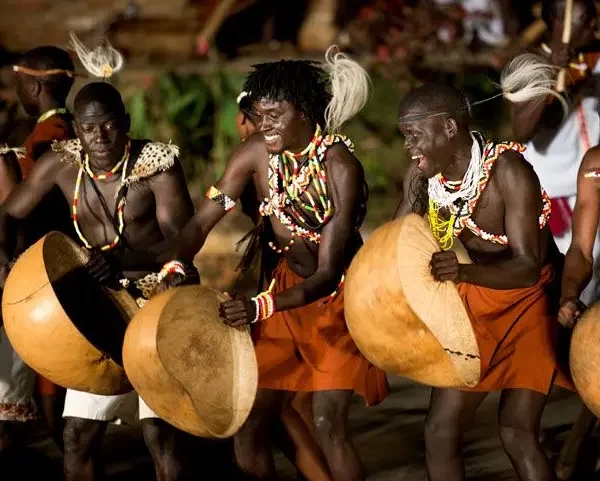
We do not believe it does. A society can embrace modern technology without abandoning its identity. A young African can use a smartphone, study artificial intelligence, speak international languages, participate in global business and engage with the wider world while still knowing the history, language, values and traditions of their community. Modernity and cultural identity do not have to be enemies. The real danger is modernization without memory—a form of progress that moves forward so quickly that it forgets where it came from.
When societies become so focused on what is new that they stop valuing what they have inherited, they risk creating generations that are highly connected to the world but increasingly disconnected from themselves. This is a challenge that deserves serious reflection, particularly at a time when young people are exposed to thousands of cultural influences every day. Through social media, entertainment, advertising and digital platforms, young people encounter ideas and lifestyles from distant societies almost continuously.
There is nothing inherently wrong with cultural exchange. Human societies have always borrowed, adapted and learned from one another. Culture has never been completely static, and no community exists in isolation from the wider world. Cultural interaction can enrich societies, broaden perspectives and create new forms of creativity. The concern arises when cultural exchange gradually becomes cultural replacement, when imported influences become so dominant that people begin to lose familiarity with their own heritage.
When young people know the celebrities, histories, music and traditions of distant societies better than those of their own communities, something important deserves our attention. When a child can recognize global popular culture but cannot understand the language spoken by their grandparents, we should ask what has been lost between generations. When traditional knowledge is dismissed as backward while imported ideas are automatically considered modern, we need to reconsider what we mean by progress. Progress should expand our possibilities, not erase our memory.
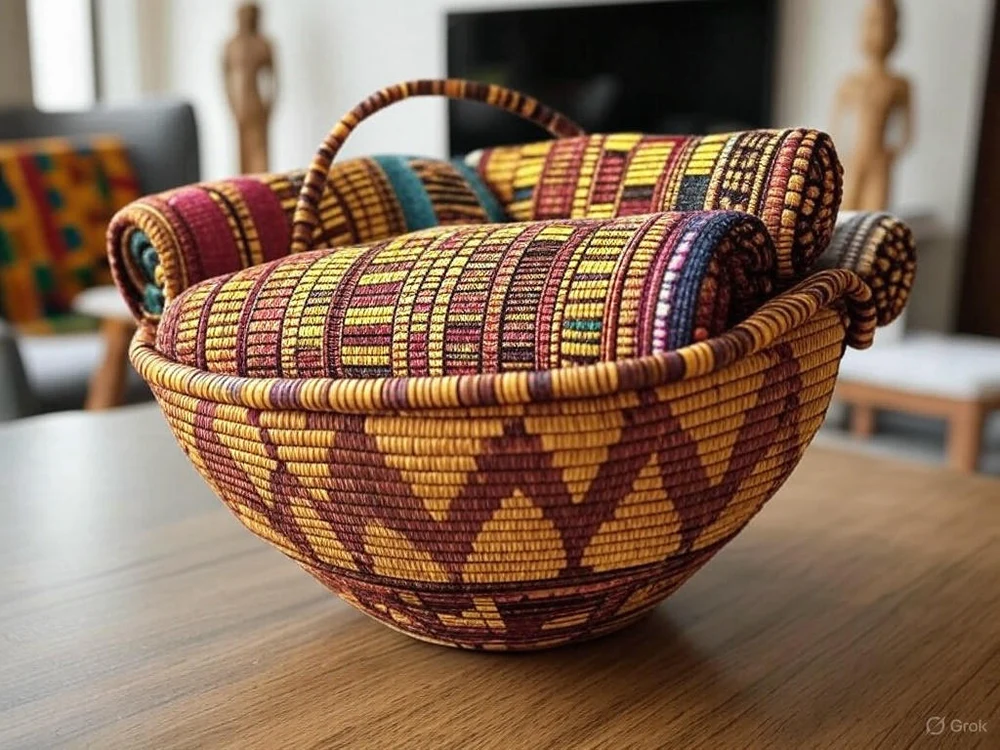
One of the greatest cultural challenges of our time is therefore not necessarily the destruction of physical heritage, but the disappearance of memory. A building can be preserved. An artefact can be placed in a museum. A photograph can be stored in an archive. But what happens when the people who understand the meaning behind those things are no longer there to explain them? What happens when the stories, knowledge and experiences connected to those objects disappear?
This is why cultural documentation matters. Oral histories need to be recorded. Traditional knowledge needs to be documented. Languages need to be supported. Stories need to be preserved. Photographs, objects, manuscripts, music, dances, ceremonies and community histories need to be carefully documented and placed within their proper cultural context. Most importantly, cultural knowledge must remain connected to the communities from which it comes. Documentation is not merely an academic exercise; it is an act of responsibility to future generations.
Across many African communities, elders have traditionally served as custodians of knowledge. They remember names, places, genealogies, migrations, conflicts, agreements, ceremonies, songs, proverbs and stories. Much of this knowledge has historically been transmitted orally, through conversations, family gatherings, ceremonies and everyday community life. But oral transmission is vulnerable. People pass away, languages change, communities migrate, traditional practices decline, and younger generations may have fewer opportunities to learn from those who carry this knowledge.
Every time a knowledge holder dies without their stories and experiences being recorded, humanity risks losing information that may never be recovered. Our elders should therefore not be viewed merely as people from another generation. They are living archives. Their memories are cultural resources, their experiences are historical evidence, and their stories form part of the intellectual inheritance of our communities. We have a responsibility to listen to them while their voices are still with us.
At the same time, preserving culture does not mean putting it behind glass or attempting to freeze it in the past. Culture is not a museum piece. It is living, and because it is living, it changes. It responds to new circumstances, absorbs influences and develops new expressions. A traditional song can inspire contemporary music. An ancient story can become a film or documentary. A proverb can inform modern education. Traditional ecological knowledge can contribute to contemporary conversations about environmental sustainability, while traditional crafts can become sources of creative enterprise and employment.
The challenge is therefore not to preserve culture by preventing it from changing. The challenge is to keep culture alive while protecting its meaning, dignity and integrity. A living culture should be capable of adapting without forgetting its roots. It should be able to speak to the present without losing the wisdom that connects it to the past.
For Africa, this conversation carries particular importance. African societies possess extraordinary bodies of cultural knowledge, much of which remains under-documented or underrepresented in formal historical records. For generations, African histories and identities have also been interpreted through external perspectives, some valuable and others incomplete or shaped by assumptions that did not always reflect the experiences of African communities themselves.
This makes cultural documentation not only an exercise in preservation but also an exercise in agency. If we do not document our histories, someone else may document them for us. If we do not preserve our languages, they may gradually disappear from everyday use. If we do not record the memories of our elders, those memories may disappear with them. If we do not tell our stories, other narratives will fill the silence. Communities should have the opportunity to participate meaningfully in defining how their histories are understood, remembered and passed on.

Language deserves particular attention in this conversation. A language is much more than a means of communication. It carries worldview, humour, history, relationships, concepts, metaphors, proverbs and knowledge accumulated over generations. Through language, communities express ideas about the world in ways that may not always have direct equivalents in another language. When a language disappears, therefore, a unique way of understanding and interpreting the world can disappear with it.
This does not mean that communities should reject international languages. Multilingualism can be an enormous strength, providing people with access to education, business, technology and international communication. The goal should be to ensure that learning new languages does not require abandoning one’s own. A child should be able to look toward the wider world without being forced to turn their back on their linguistic heritage.
Ultimately, the question of culture becomes a question of identity. Who are we? Where did we come from? What do we value? What do we owe one another? What lessons have previous generations left for us? And what kind of society do we want to leave for those who come after us? These are not merely historical questions. They are questions about the future.
People who understand their identity are often better positioned to engage confidently with the wider world. Cultural confidence does not require isolation, nor does it require rejecting other cultures. It allows people to participate in the global community without losing themselves within it. We can appreciate another culture without abandoning our own. We can learn from other societies while contributing our own knowledge. We can be global citizens while remaining deeply connected to our communities. The world does not need cultural sameness; it needs cultural understanding.
Culture can also serve as a powerful source of unity. Shared histories, languages, traditions and values can create a sense of belonging that transcends individual differences. At a time when many societies face social fragmentation, polarization and increasing isolation, cultural spaces can provide opportunities for people to reconnect. Community festivals, storytelling, music, dance, art, heritage sites and cultural gatherings can create spaces where people meet, share experiences and remember what connects them.
But culture must never become an excuse for intolerance. Respecting one’s own culture should not require disrespecting another. The strongest cultural identity is not one that fears difference; it is one confident enough to engage with difference. Cultural pride becomes most meaningful when it encourages understanding, dignity and mutual respect.
If culture is to remain powerful, young people must be at the centre of the conversation. We cannot simply tell young people to preserve tradition while offering them no meaningful role in determining what that tradition means in their own generation. Young people are not merely custodians of the past. They are creators of the future.
They can use cameras to record oral histories, create documentaries, digitize photographs, produce podcasts in local languages, create music inspired by traditional forms, use social media to tell stories about their communities and research their family histories. They can transform cultural knowledge into books, films, educational resources, creative enterprises and digital archives. The future of culture will not be secured by asking young people to live exactly as previous generations did. It will be secured by helping them understand what they inherited and giving them the freedom and responsibility to carry it forward in new ways.
Technology, which is sometimes blamed for cultural decline, can also become one of the most powerful tools for cultural preservation. A recorded interview can preserve an elder’s voice. A digital archive can protect photographs and documents. A documentary can bring a forgotten story to new audiences. A digital map can preserve knowledge about important cultural landscapes, while a podcast can make oral traditions accessible to younger generations. Artificial intelligence and other emerging technologies may also create new possibilities for organizing, preserving and accessing cultural information, provided that they are used responsibly and with respect for cultural ownership, context and community rights.
The goal should never be to replace human custodians with technology. Technology should help us extend the reach of human memory. It should enable cultural knowledge to travel across generations and borders while remaining connected to the people, places and communities that give it meaning.
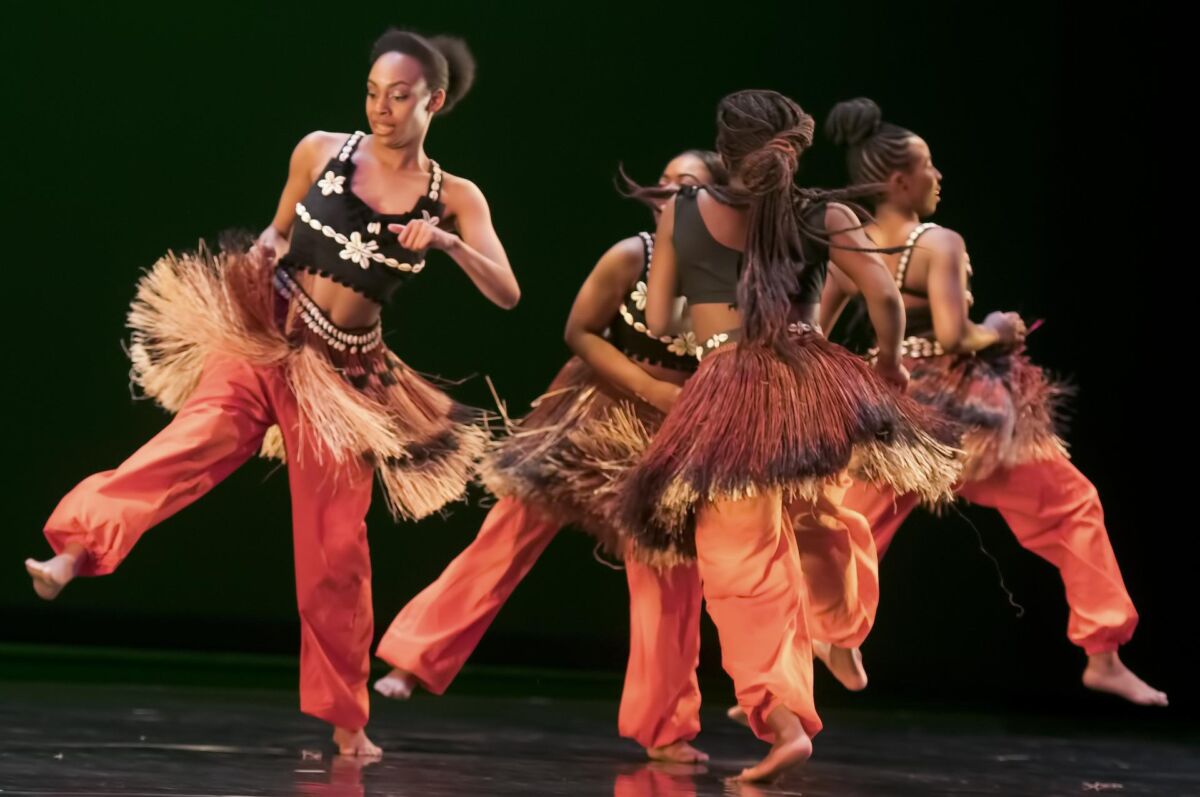
Culture also has an important economic dimension. Creative industries provide livelihoods for artists, musicians, filmmakers, designers, craftspeople, writers, performers and entrepreneurs. Cultural tourism can create opportunities for communities while encouraging investment in heritage. Traditional crafts can support local enterprises, food traditions can create businesses, and music and film can carry local stories to audiences around the world.
However, cultural commercialization must be approached carefully. Culture should not be exploited simply because it can generate revenue. Communities must benefit, cultural knowledge must be respected, sacred traditions must be treated with dignity, and the people whose heritage is being represented should have a meaningful voice in how it is presented and used. Culture can create economic value without losing cultural value.
This brings us to one of the most difficult questions of cultural preservation: what exactly should we preserve? Not every tradition needs to remain unchanged. Cultures, like societies, must be capable of reflection. Some practices may no longer be appropriate in contemporary contexts. Some traditions may need to be questioned, while others may need to evolve. Cultural preservation should therefore not mean preserving everything simply because it is old.
Instead, we should ask ourselves what wisdom deserves to survive, what values strengthen our communities, what knowledge can help future generations, what traditions should be renewed, what practices should be reconsidered, and what new cultural expressions we are creating today. These questions require courage and honesty. True cultural preservation is not blind nostalgia. It is thoughtful stewardship.
Governments, schools, universities, museums, cultural organizations, community groups and foundations all have important roles to play in this work. But cultural preservation cannot be left entirely to institutions. It begins at home. Parents can tell children family stories. Grandparents can share memories. Teachers can incorporate local histories into education. Researchers can document knowledge responsibly. Communities can establish cultural archives, while young people can use digital platforms to tell local stories.

Organizations such as the Kabalega Foundation have an important role in creating bridges between communities, researchers, cultural practitioners and future generations. Our responsibility is not simply to look backward. It is to ensure that the knowledge of the past remains meaningful in the present and useful for the future.
Every generation inherits something, and every generation leaves something behind. The question is not whether we will leave a cultural legacy. We will. The question is what kind of legacy it will be. Will future generations inherit stories or silence? Languages or fragments? Knowledge or gaps? Archives or memories that were never recorded? Will they inherit a confident cultural identity, or will they be left searching for answers about where they came from?
The decisions we make today will determine what remains tomorrow. Every elder we interview, every story we record, every language we support, every photograph we preserve, every traditional skill we document and every young person we inspire to value their heritage contributes to the cultural inheritance of the future.
The modern world does not make culture irrelevant. It makes cultural consciousness more necessary. In a world where information is abundant but context is often scarce, culture gives meaning. In a world where people are increasingly connected digitally but can feel disconnected socially, culture gives belonging. In a world where global influences are everywhere, culture gives identity. And in a world changing at extraordinary speed, culture gives memory.

Culture is therefore not an obstacle to progress. Culture can be a foundation for meaningful progress. We do not preserve culture because we are afraid of the future. We preserve it because the future deserves to know where it came from.
At the Kabalega Foundation, we believe cultural heritage is not merely something to admire. It is something to understand, document, protect, question honestly, share responsibly and, above all, pass on. The challenge before us is enormous, but so is the opportunity. We must listen to our elders while their voices are still with us, encourage young people to explore their heritage with curiosity rather than obligation, document the stories that have lived in oral memory for generations, support local languages, artists, researchers and cultural practitioners, and use modern technology to protect and share knowledge responsibly.
Cultural preservation is not about choosing between the past and the future. It is about building a future that remembers.
Culture remains relevant because we remain human. It remains powerful because it shapes how we understand ourselves and one another. And as the world continues to change, one truth deserves to remain at the centre of our thinking: a people without memory can lose its sense of identity, while a people that knows, values and understands its heritage can face the future with confidence.
The future will be modern. It will be digital. It will be global. But it should also remember.
Culture is still relevant. Culture is still powerful. And its future is in our hands.
— Kabalega Foundation