
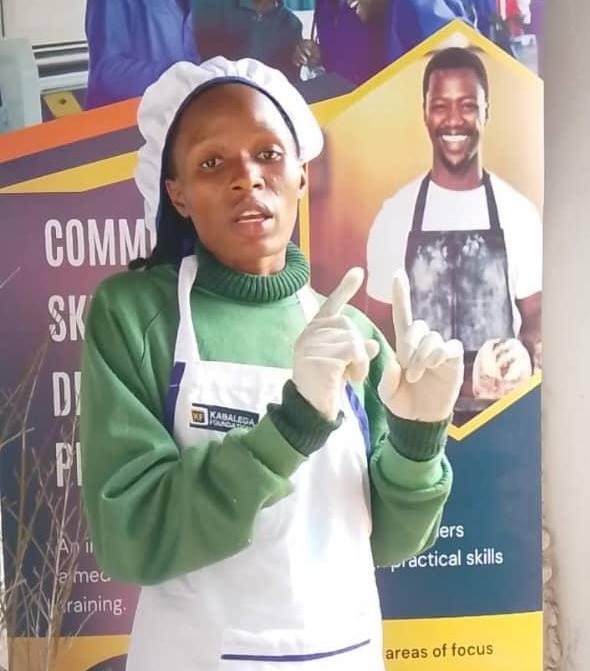
3500+
Impacted by our work

02
Sep
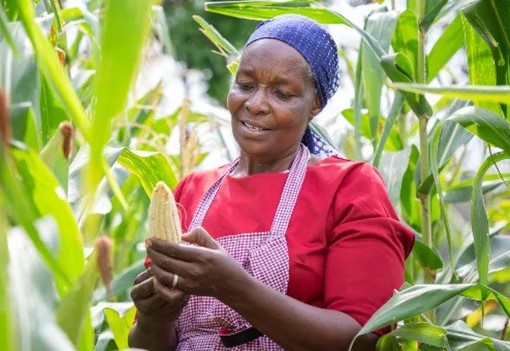
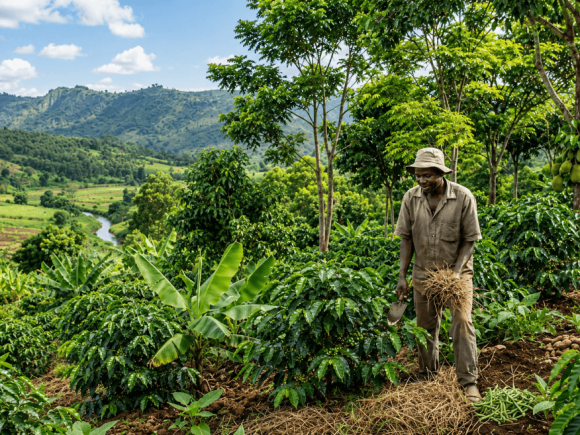
Cultivating Resilience: Promoting Agro-Ecology for Landscape Restoration and Livelihood Enhancement
Across Sub-Saharan Africa and particularly in East Africa, rural landscapes face severe ecological pressure that
Read more
01
Sep
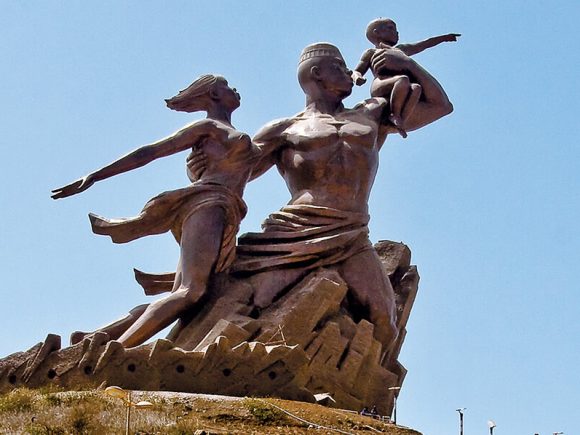
Reparations, Historical Justice and the Unfinished African Question: What the UN’s New Position Means
By Kabalega Foundation | 1 September 2026 The question of reparations for the transatlantic slave
Read more
31
Aug
International Day for People of African Descent: Honouring Global Contributions, Confronting Historical Injustices and Advancing Rights
31 August 2026 Every 31 August, the world observes the International Day for People of
Read more
27
Aug
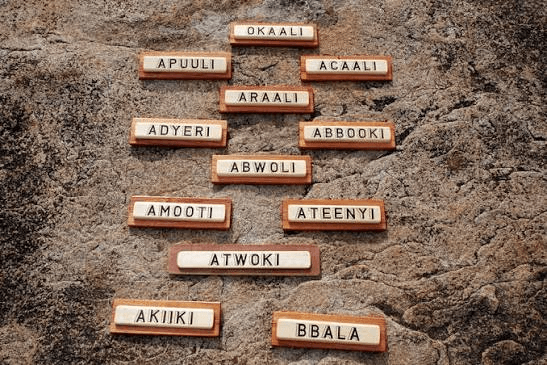
Empaako: The Living Language of Identity, Respect and Belonging in Greater Kitara
There are names we are given, and there are names by which we are embraced
Read more
26
Aug
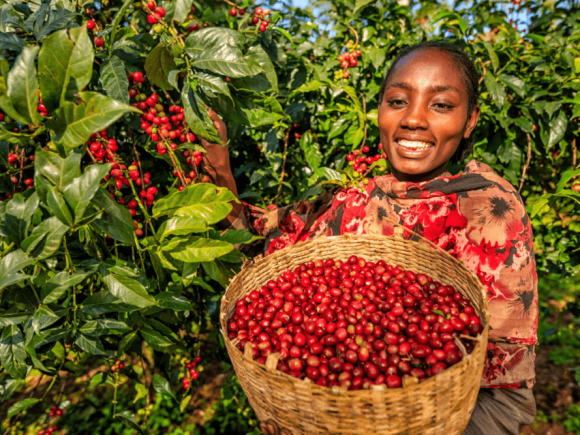
Agricultural Enterprise, Trade and Development: A Golden Bullet for Africa’s Transformation
Africa stands at a defining moment in its development journey. Across the continent, governments, businesses,
Read more
19
Aug
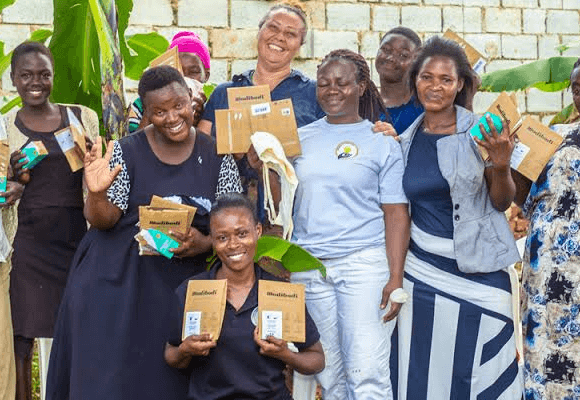
Standing in the Gap: Honoring the Hands That Uplift, Defend, and Promote Our Communities
Every year on August 19th, World Humanitarian Day invites us to pause, reflect, and pay
Read more
18
Aug
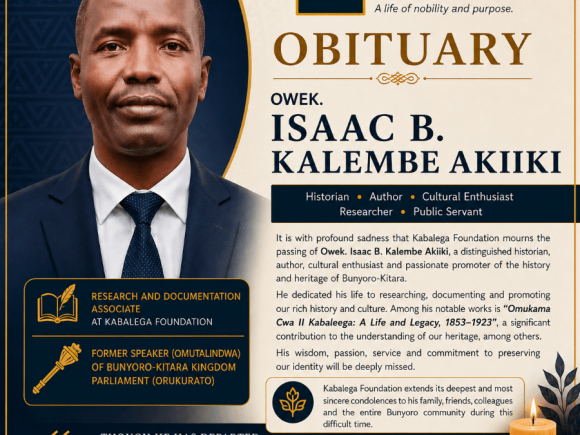
Obituary – Owek. Isaac B. Kalembe Akiiki.
Kabalega Foundation deeply mourns the passing of Owek. Isaac B. Kalembe Akiiki, a distinguished historian,
Read more

17
Aug
Culture in the Modern World — Still Relevant, Still Powerful
The modern world is changing at an extraordinary pace. Technology is transforming how we communicate,
Read more
14
Aug
Kabalega Independence Week 2026: Putting Heritage, Coffee, and Enterprise at the Centre of a National Conversation
By KF Communication Team. There are some legacies that belong to history. Others continue to
Read more
18
May
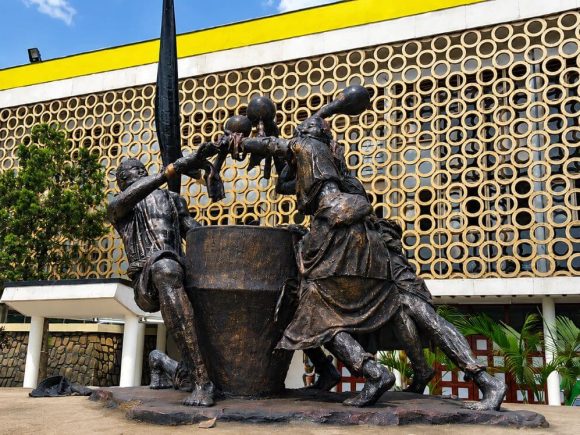
International Museum Day: A Reflection on the Role of Museums as Pillars of African Memory, Identity, and Civilizational Continuity
Each year on 18th May, the global community commemorates International Museum Day — an observance
Read more

15
Apr
Living Canvases: Art as a Medium for Intergenerational Heritage Transmission
In every society, memory must find a form if it is to survive. Some cultures
Read more

14
Apr
Public Alert from Kabalega Foundation – 14/04/2026
Date: 14th April, 2026 Kabalega Foundation wishes to alert the general public to fraudulent activities
Read more

06
Apr
Kabalega Day 2026: Reflection on Leadership, Legacy, and Lessons for Our Time — Dedication to a Young Fallen Leader.
Each year, Kabalega Day invites reflection not only on the life of a historic ruler,
Read more
03
Mar
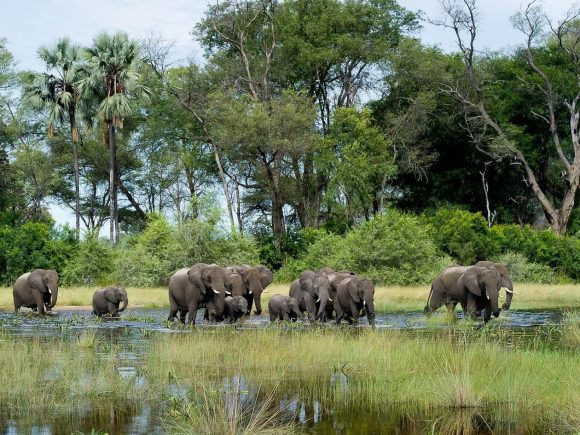
Wildlife Conservation – Protecting Nature, Preserving Our Future
Every year on 3rd March, the global community marks World Wildlife Day, reflecting on the
Read more

12
Jan
Youth Identity and the Crisis of Belonging in a Digital Age
Across continents — young people are more connected than any previous generation in human history.
Read more

15
Dec
Heritage as Soft Power: Can Culture Reshape Diplomacy and Catalyze Global Peace?
The 21st century has not been kind to the institutions once assumed to guarantee stability.
Read more
06
Oct
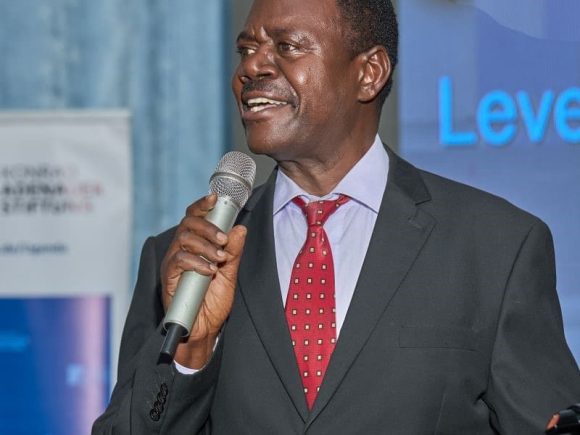
The 2nd Kabalega Memorial Lecture: A Reflection on Leadership Pathways for Community Transformation
Prof. Julius Kiiza delivering the 2nd Kabalega Memorial Lecture Keynote Address Speech Hoima Resort Hotel
Read more
06
Oct
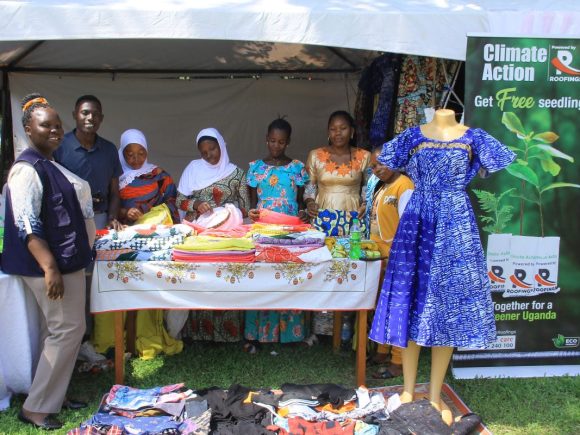
Kabalega Business & Innovation Expo 2025 – Where Culture Met Commerce
Hoima City, October 2–4, 2025 Hoima City, October 2–4, 2025 — Over three vibrant days,
Read more
05
Oct
Kabalega Independence Week 2025: Echoes of Legacy, Steps Toward Transformation, A Journey from Remembrance to Renewal
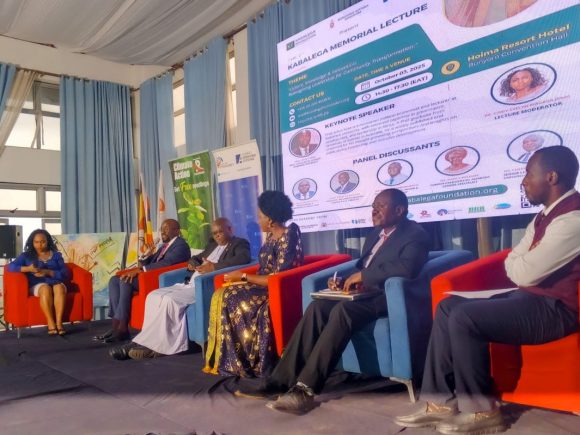
A cross-section of panelists, moderator, and keynote address speaker at the 2nd Kabalega Memorial Lecture
Read more

29
Sep
Reimagining Community Leadership through Indigenous Knowledge and Innovation
In the heart of Bunyoro, a region steeped in history, resilience, and cultural richness, a
Read more

26
Sep
Running Toward Tomorrow: The Power of Youth Innovation in Community Transformation
A Feature on the Kabalega Independence Run 2025 On October 04, 2025, in the early
Read more
15
Sep
Celebrate Cultural Heritage, Innovation, and Community Transformation at the Kabalega Independence Week 2025 in Hoima City this October
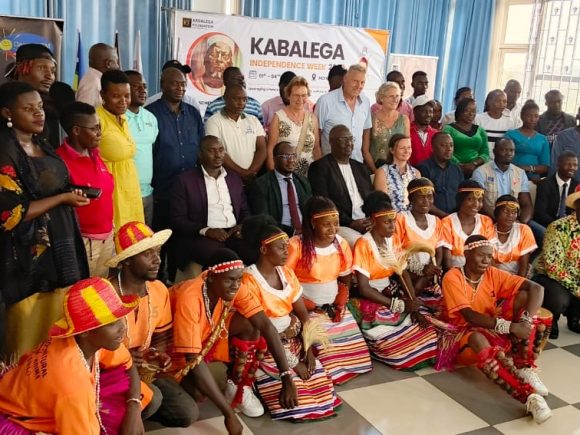
A group photo of organizers, partners, participants, and cultural entertainers after the launch. The Kabalega
Read more

13
Aug
“A Greener Tomorrow Starts with a Single Tree. Together, we achieved so much during the last Green Future Campaign — let’s grow even more this season!”
As the rains return to nourish our land this season, Kabalega Foundation is proud to
Read more

12
Aug
Empowering Youth for a Brighter Tomorrow – A Message from the Kabalega Foundation on International Youth Day 2025
By Kabalega Foundation Celebrating Youth Potential, Driving Global Progress Each year on August 12, the
Read more
09
Aug
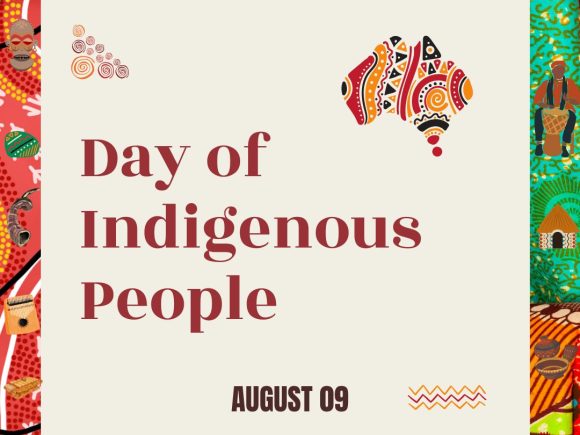
Honoring Indigenous Heritage and Resilience: A Reflection on the Strength and Struggles of Indigenous People
Date: August 9, 2025: Every year on August 9th, the world pauses to recognize the
Read more
02
Aug
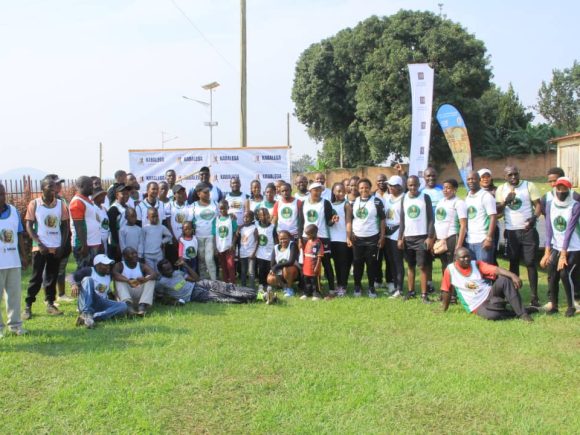
Kabalega Running Club Launched to Celebrate Legacy and Promote Community Wellness
Hoima, August 2, 2025 — In a vibrant and energizing event held at the Hoima
Read more
17
Jul
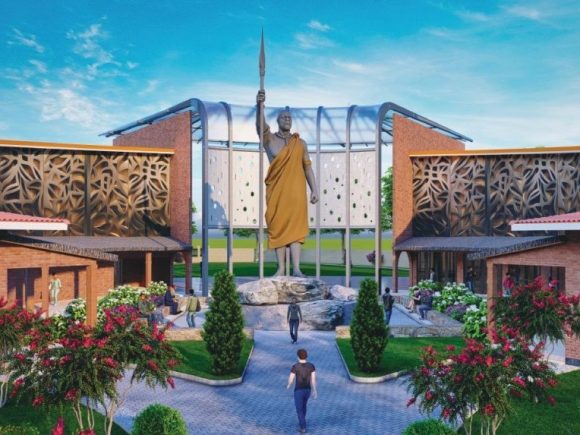
From Legacy to Livelihood: Why Investing in Cultural Infrastructure Strengthens Africa’s Future
In the development discourse, we often hear of roads, hospitals, schools, and energy as the
Read more
15
Jul
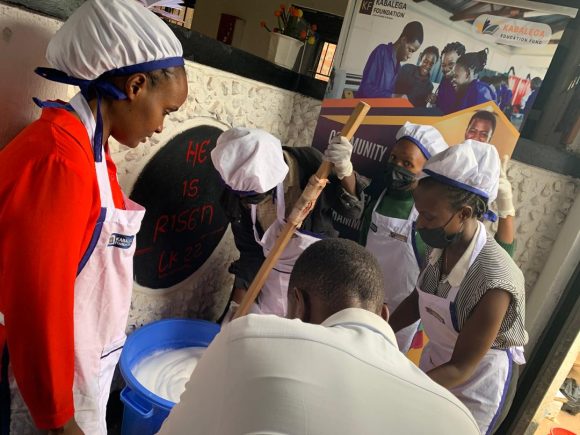
World Youth Skills Day: A Call to Action for Unlocking Youth Potential
Every year on July 15, the world celebrates World Youth Skills Day — a day
Read more
20
Jun
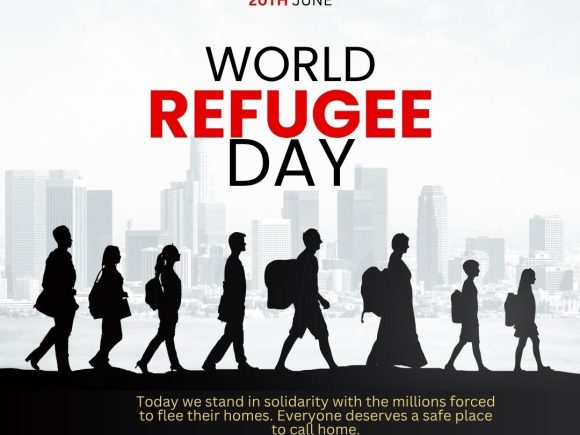
Omukama Kabalega’s Legacy of Refuge: A Reflection on World Refugee Day
On June 20th, we join the rest of the world to commemorate World Refugee Day,
Read more
21
May
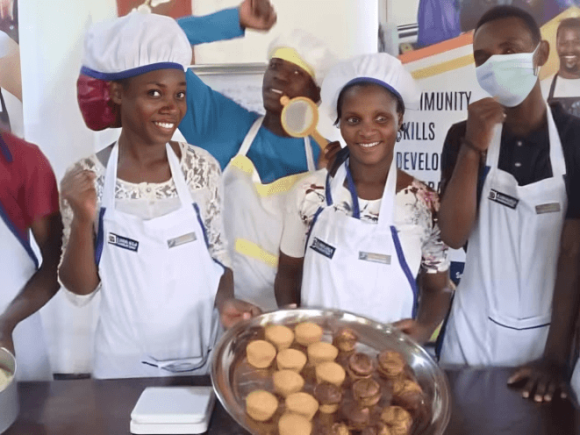
Kabalega Foundation Empowers Communities Through Skills Development Training
May 21, 2025 — Kampala / Hoima In a bid to reduce unemployment and enhance
Read more
13
Jan
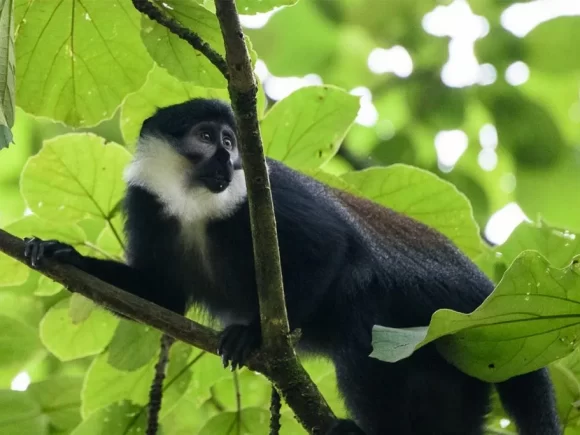
The Vital Role of Culture in Environmental Conservation & Sustainability
In today’s rapidly changing world, environmental conservation is more crucial than ever. As we face
Read more
26
Nov
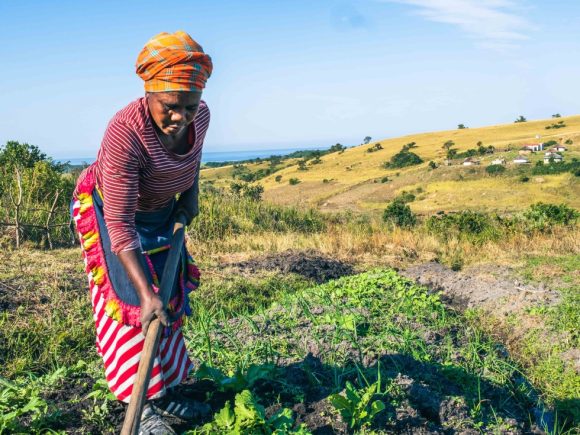
In the face of the Growing Climate Crisis, are COP29 Resolutions a Lifeline for Africa’s Rural Communities?
The climate crisis is disproportionately impacting rural communities across the globe, and Africa is feeling
Read more
22
Nov
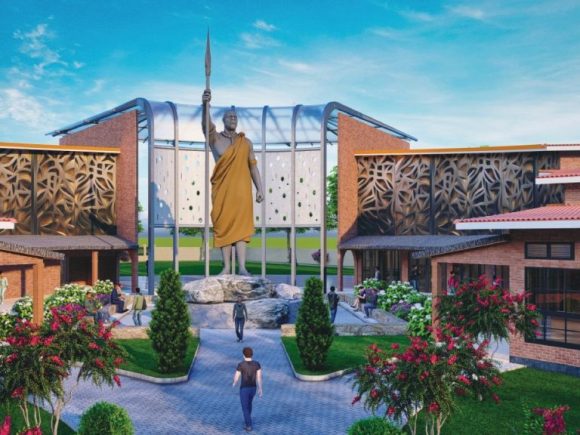
Proposed Kabalega Cultural Square: A Center for Heritage, Unity, and Innovation
Kabalega Cultural Square, whose design draws inspiration from the rich heritage of Bunyoro-Kitara and the
Read more
20
Nov
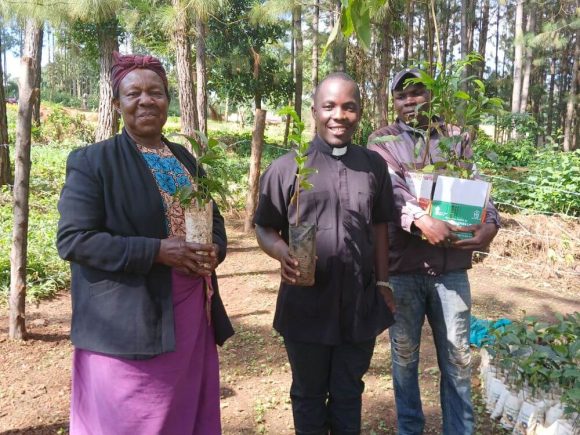
Thank You for Embracing the Green Future Campaign
As this rainy season (September – November 2024) comes to a close, we would like
Read more
09
Nov
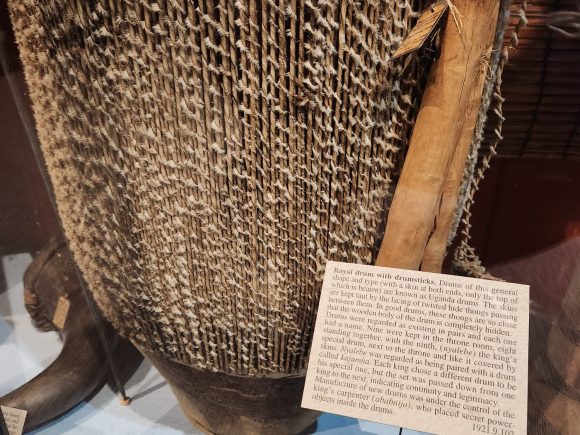
The Repatriation of African Cultural Artifacts: Why It Matters for Africa
For decades, African cultural artifacts have been scattered across museums and private collections around the
Read more

28
Oct
Cultural Institutions: Between Conserving Heritage and Shaping the Future
An Identity Talk at KTA Symposium 2024 The recent Identity Talk on “Cultural Institutions between
Read more

06
Oct
Kabalega Independence Run 2024: A Celebration of a Hero’s Legacy for a Greener Future
Hoima, Uganda – October 6, 2024 – The Kabalega Independence Run 2024 took place at
Read more
13
Sep
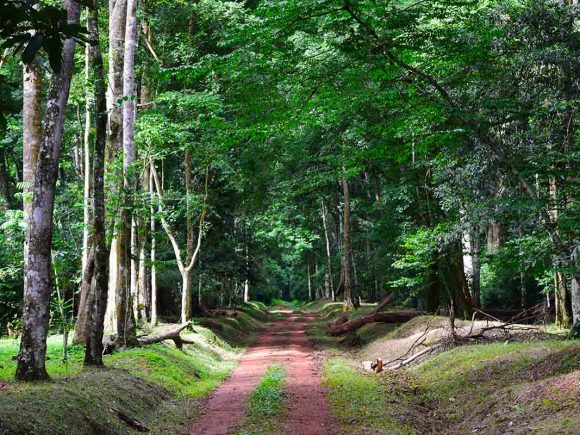
Omukama Cwa II Kabalega – A Pioneer in Environmental Conservation
Omukama Cwa II Kabalega, the ruler of the Kingdom of Bunyoro-Kitara from 1870 to 1899,
Read more
21
Aug
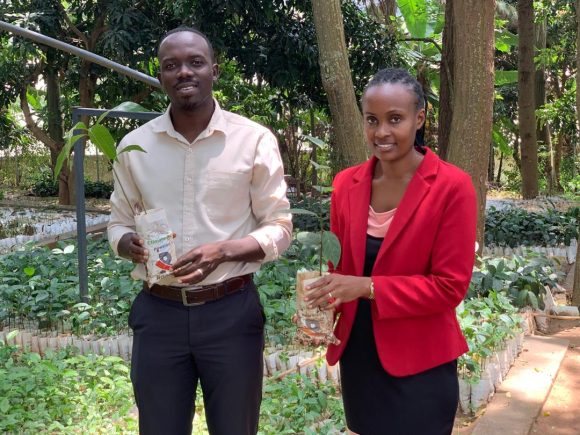
Kabalega Independence Run 2024 to focus on Environmental Conservation and Awareness Creation.
Aiming to mobilize the Community for tree planting & raising awareness about Environmental Conservation for
Read more
05
Aug
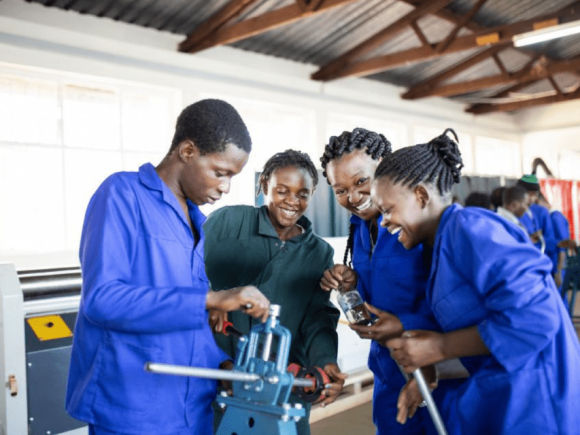
Call for Applications – Community Skills Development Programme – 2024/2025
Kabalega Foundation, and partners are pleased to introduce the Community Skills Development Programme. The programme
Read more

21
Apr
Kabalega Foundation partners with Nyati Motion Pictures to profile the cultural identity of post-colonial Uganda
Kabalega Foundation is partnering with Nyati Motion Pictures to profile the cultural identity of post-colonial
Read more
01
Apr
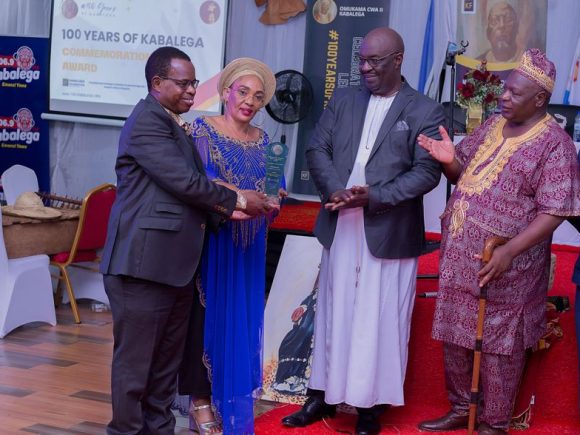
A Century of Kabalega’s Legacy Commemoration wound up with a Royal Dinner and Awards Gala.
On April 30th, 2024, the grand celebration of 100 Years of Omukama Cwa II Kabalega
Read more
12
Mar
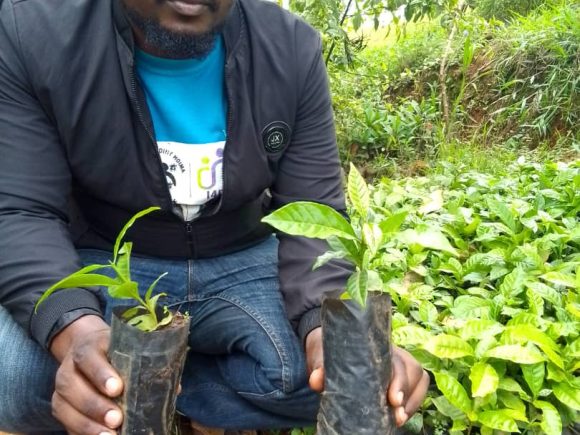
Kabalega Foundation partners with Roofings Uganda and other stakeholders to enhance Environmental Protection
There are many variations of but the majority have simply free text.
Read more
20
Dec
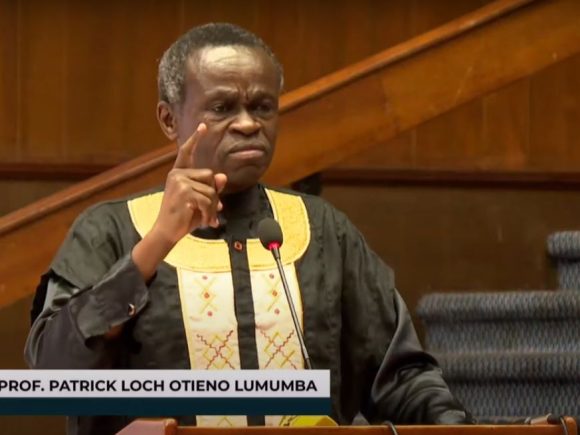
“Empower cultural institutions to play a more active role in the governance of society”
There are many variations of but the majority have simply free text.
Read more
08
Apr
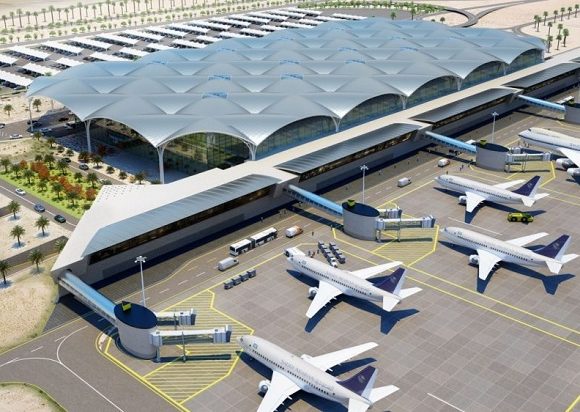
Kabalega Foundation Welcomes the Renaming Kabaale International Airport to Kabalega International Airport on the Centenary Mark of Omukama Cwa II Kabalega’s Legacy.
The Government of Uganda has on the 04th of April, 2023 announced that Kabaale International
Read more


