Tag: Sustainable Development
- Home
- Posts tagged"Sustainable Development"
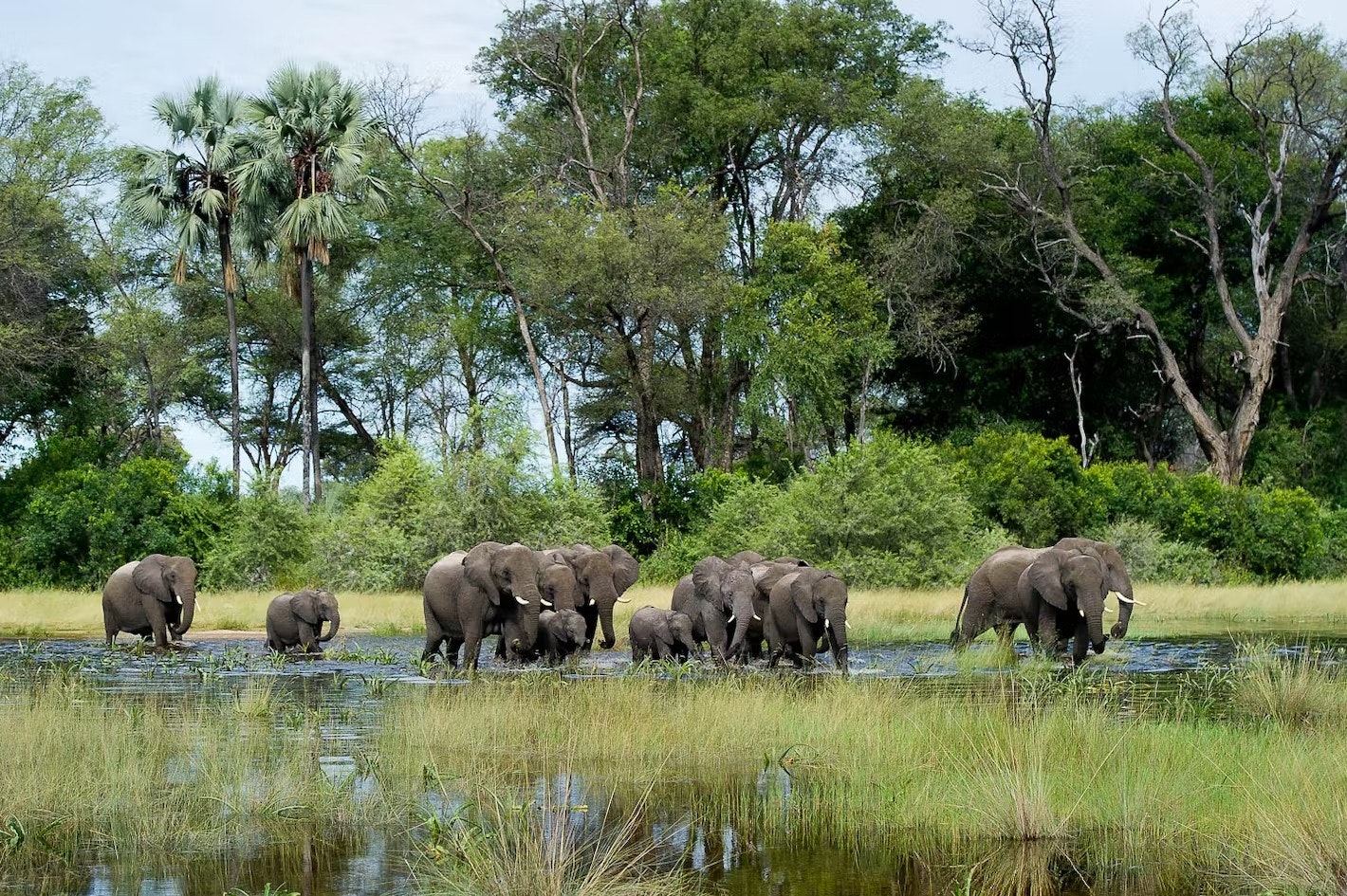
Every year on 3rd March, the global community marks World Wildlife Day, reflecting on the importance of wildlife and the urgent responsibility we share to protect it. Yet wildlife conservation is not simply about saving endangered species in distant forests or preserving iconic animals that capture international headlines. It is about protecting the ecological systems that sustain life on Earth.
Wildlife conservation is, fundamentally, an investment in our collective future.
Wildlife: The Foundation of Healthy Ecosystems
Wild animals and plant species form the backbone of functioning ecosystems. Forests, wetlands, savannahs, coral reefs, oceans, and rivers are not passive landscapes; they are dynamic systems sustained by complex relationships among species. Each organism, from the smallest microorganism Мягкая игрушка solar "зайчик" фиолетовый (38 см) c47101-1 — цена 588 грн в каталоге Мягкие игрушки ✓ Купить детские товары по доступной цене на Шафе , Украина #174186276 to the largest predator, plays a role in maintaining balance.
Pollinators such as bees and butterflies enable food production by fertilizing crops. Predators regulate herbivore populations, preventing overgrazing and ecological degradation. Herbivores shape vegetation patterns and nutrient distribution. Decomposers break down organic matter, enriching soil and sustaining plant growth nike dunks sandy bodecker auction ebay . Marine biodiversity stabilizes ocean ecosystems that regulate global climate systems.
When one species declines, the effects ripple outward. When biodiversity is reduced, ecosystems lose resilience. And when ecosystems weaken, human societies face consequences in the form of food insecurity, water scarcity, increased disease risk, and economic instability.
Conservation is therefore not an abstract environmental aspiration; it is a practical necessity for human survival.
Biodiversity and Livelihoods
Across Africa, Asia, Latin America, and small island states, millions of people depend directly on biodiversity for survival and income. Wildlife tourism supports national economies and provides employment in rural areas. Fisheries sustain coastal communities. Forest ecosystems supply timber, medicinal plants, fruits, and fuelwood. Traditional agriculture relies on healthy soils, pollination, and natural pest control.
When wildlife thrives, local and national economies benefit. When habitats are destroyed or species vanish, livelihoods collapse, often pushing vulnerable communities deeper into poverty.
Sustainable conservation creates opportunity rather than restriction. Responsible eco-tourism generates foreign exchange air jordan 13 wheat release information and community income. Conservation enterprises foster entrepreneurship. Scientific research drives innovation in medicine and environmental management. Restoration projects create green jobs for young people. Climate resilience initiatives protect both ecosystems and infrastructure.
Protecting biodiversity is not in opposition to development; it is foundational to sustainable development. Economies that erode their natural capital ultimately undermine their own long-term stability.
Cultural Heritage and Identity
Wildlife is deeply embedded in cultural narratives, spiritual traditions, folklore, clan systems, art, and symbolism across civilizations. Animals appear in proverbs and origin stories. Landscapes carry historical memory. Indigenous knowledge systems preserve generations of ecological understanding rooted in lived experience.
When species disappear or habitats are degraded, more than ecological balance is lost. Cultural memory is eroded. Identity fragments. Generational knowledge fades.
Conservation, therefore, is also about safeguarding heritage. It protects not only biodiversity but also the cultural frameworks that connect communities to place. In many indigenous societies, stewardship of nature is inseparable from spiritual practice and communal responsibility. Modern conservation efforts increasingly recognize that protecting ecosystems requires honoring and integrating traditional knowledge systems.
Wildlife conservation becomes an act of cultural continuity.
The Climate Connection
The climate crisis and biodiversity loss are deeply intertwined. Forests act as carbon sinks, absorbing greenhouse gases from the atmosphere. Wetlands filter water and buffer floods. Mangroves protect coastlines from storm surges. Grasslands store significant carbon underground. Coral reefs shield coastal communities from wave erosion and support fisheries.
Healthy ecosystems are among the most effective natural climate solutions available.
Destroying habitats accelerates climate change by releasing stored carbon and reducing the planet’s capacity to absorb emissions. Conversely, restoring forests, protecting marine biodiversity, and rehabilitating degraded lands strengthen climate resilience.
Wildlife conservation is not separate from climate action; it is central to it. Protecting biodiversity strengthens adaptation, mitigation, and long-term environmental stability.
The Threats We Face
Despite growing awareness, wildlife faces unprecedented pressures. Habitat destruction driven by deforestation, urban expansion, mining, and infrastructure development fragments ecosystems and isolates species. Illegal wildlife trade continues nike air jordan 1 factory outlet to endanger iconic and lesser-known species alike. Pollution contaminates water bodies, soils, and marine environments, undermining biodiversity and human health. Unsustainable agricultural practices degrade landscapes. Climate change alters migration patterns, breeding cycles, and habitat viability.
These threats are interconnected. Addressing them requires coordinated responses that integrate environmental protection with economic planning and social development.
Strong governance frameworks, science-based policymaking, cross-border collaboration, and corporate accountability are essential. Without systemic change, conservation efforts risk being reactive rather than transformative.
A Shared Responsibility
Conservation is not the responsibility of environmental organizations alone. It demands collective stewardship.
Governments must enact and enforce environmental protections. Businesses must adopt sustainable production models and supply chains. Financial institutions must account for environmental risk. Communities must be empowered as custodians of local ecosystems. Educational institutions must cultivate ecological literacy among young people.
Individuals also play a role through responsible consumption, support for conservation initiatives, advocacy, and participation in community-based programs. The cumulative impact of informed citizen action can shift policy, markets, and social norms.
Protecting wildlife is a shared responsibility because the benefits of biodiversity are shared by all.
Community-Centered Conservation: The Way Forward
Experience has shown that conservation efforts are most successful when local communities are treated as partners rather than bystanders. Exclusionary approaches that restrict access without providing alternatives often breed resentment and non-compliance. Inclusive models that integrate livelihoods, education, and environmental stewardship create lasting impact.
When communities derive economic, social, and cultural benefits from conservation, they become its strongest advocates. Revenue-sharing from tourism, community-managed reserves, participatory land-use planning, and environmental education programs strengthen local ownership.
Aligning conservation with dignity, opportunity, and shared prosperity ensures that wildlife protection becomes sustainable rather than externally imposed.
Why Wildlife Conservation Matters Now More Than Ever
Humanity stands at a critical juncture. Scientific assessments warn that biodiversity loss is accelerating at a rate unprecedented in modern history. Entire ecosystems face collapse if current trends continue. The choices made today will shape the ecological inheritance of future generations.
Wildlife conservation is about safeguarding biodiversity, strengthening economies, preserving heritage, building climate resilience, and protecting human well-being. It recognizes that humanity and nature are interconnected systems, not separate spheres.
To conserve wildlife is to protect life itself.
Around the world, there are signs of hope. Species once near extinction have recovered through coordinated action. Protected areas have restored degraded landscapes. Community-led initiatives have reduced poaching and revitalized habitats. These successes demonstrate that restoration is possible when political will, community engagement, and scientific knowledge align.
The protection of wildlife demands urgency, but it also demands hope and sustained commitment. The question is not whether conservation matters. The evidence is clear. The question is whether we will act decisively enough to ensure that future generations inherit thriving ecosystems rather than depleted landscapes.
The future of wildlife is inseparable from the future of humanity.
Let us choose wisely.